
- Home
- Renewable Energy
- Solar PV
Your roof can pay the electricity bill
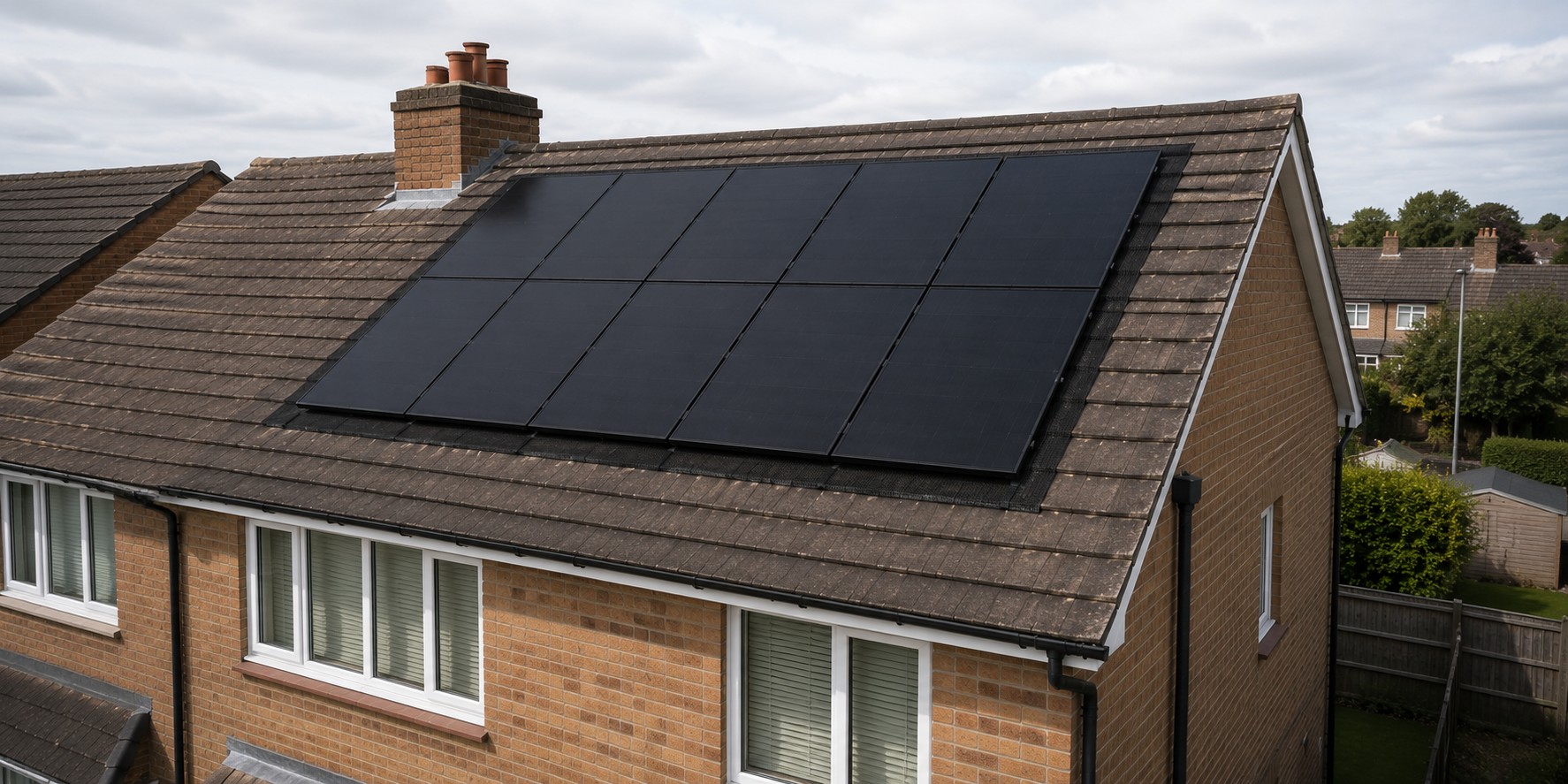
Panels, inverter and battery, designed and fitted by our own engineers across Chertsey and Surrey.
What is included
- 10 × 470W solar panels
- 1 × 5kW Fox ESS hybrid inverter
- 1 × 11.5kWh Fox ESS battery
- Free 7kW Zappi EV charger
- Bird proof netting
- Full roof access and scaffold
- DNO application and process, including planning permission where required
- All labour and materials
- Survey included
That price is for the system listed above, installed on a standard pitched roof. The survey confirms it before you commit — if your roof needs anything the list does not cover, we tell you then and you decide, not after the scaffold is up.
So, how does it actually work?
There is no fuel, no combustion and nothing that moves. Four steps, and after the first week you stop thinking about it.
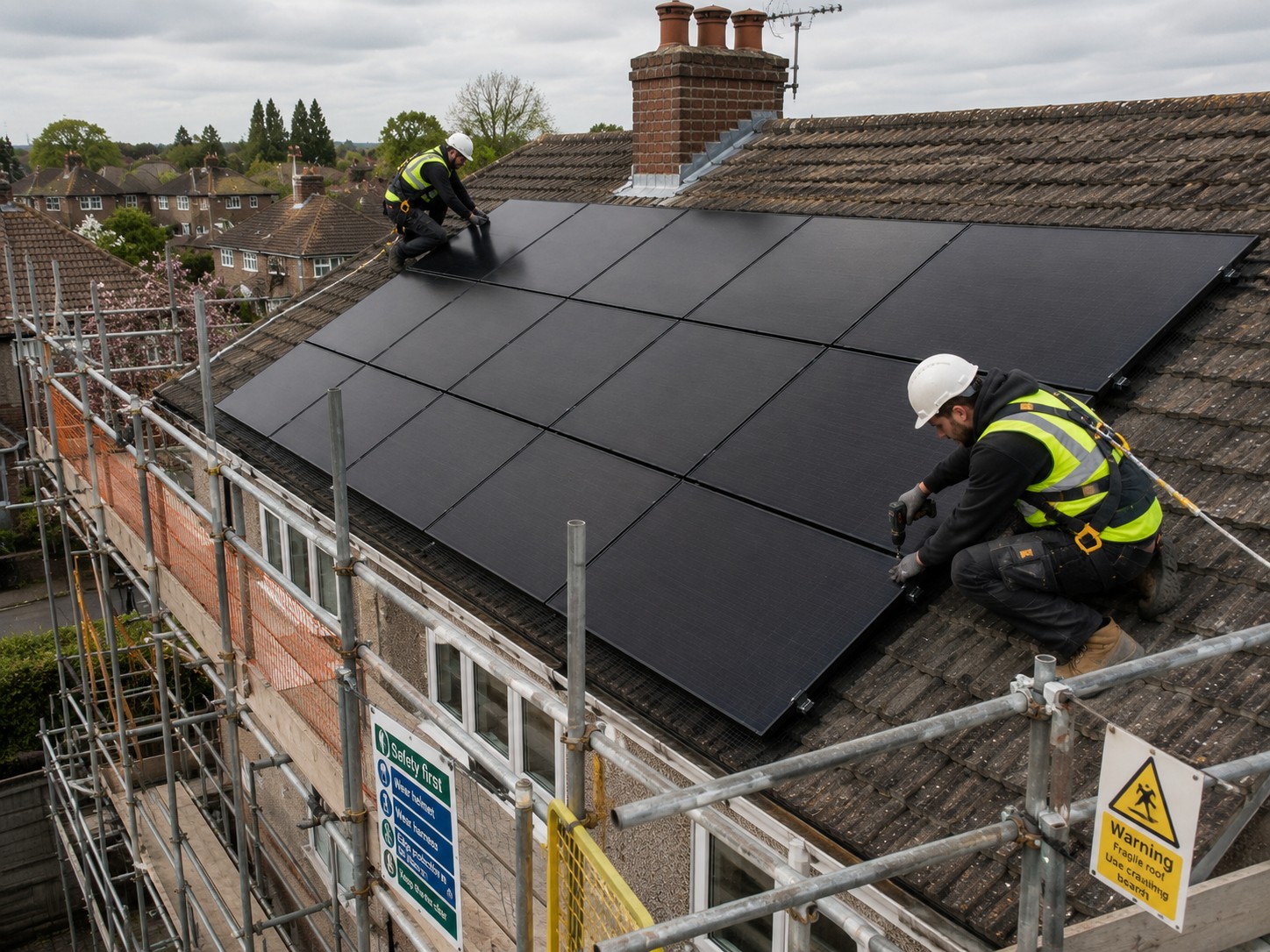
Daylight hits the panels
Not heat, and not direct sun — daylight. The panels generate whenever it is light, including on an overcast day. Just less of it.
The inverter converts it
Panels make direct current. Your house runs on alternating current. The inverter sits between the two and does nothing else.
Your house takes it first
Whatever is switched on right now draws from the roof before it draws from the grid. There is nothing to operate. It simply happens.
The surplus goes somewhere
Into the battery if you have one. Out to the grid if you do not, where your supplier pays you for every unit under the Smart Export Guarantee.
Four parts. That is the whole system.
People imagine solar is complicated. It is not — there are four components, and you only ever interact with one of them.
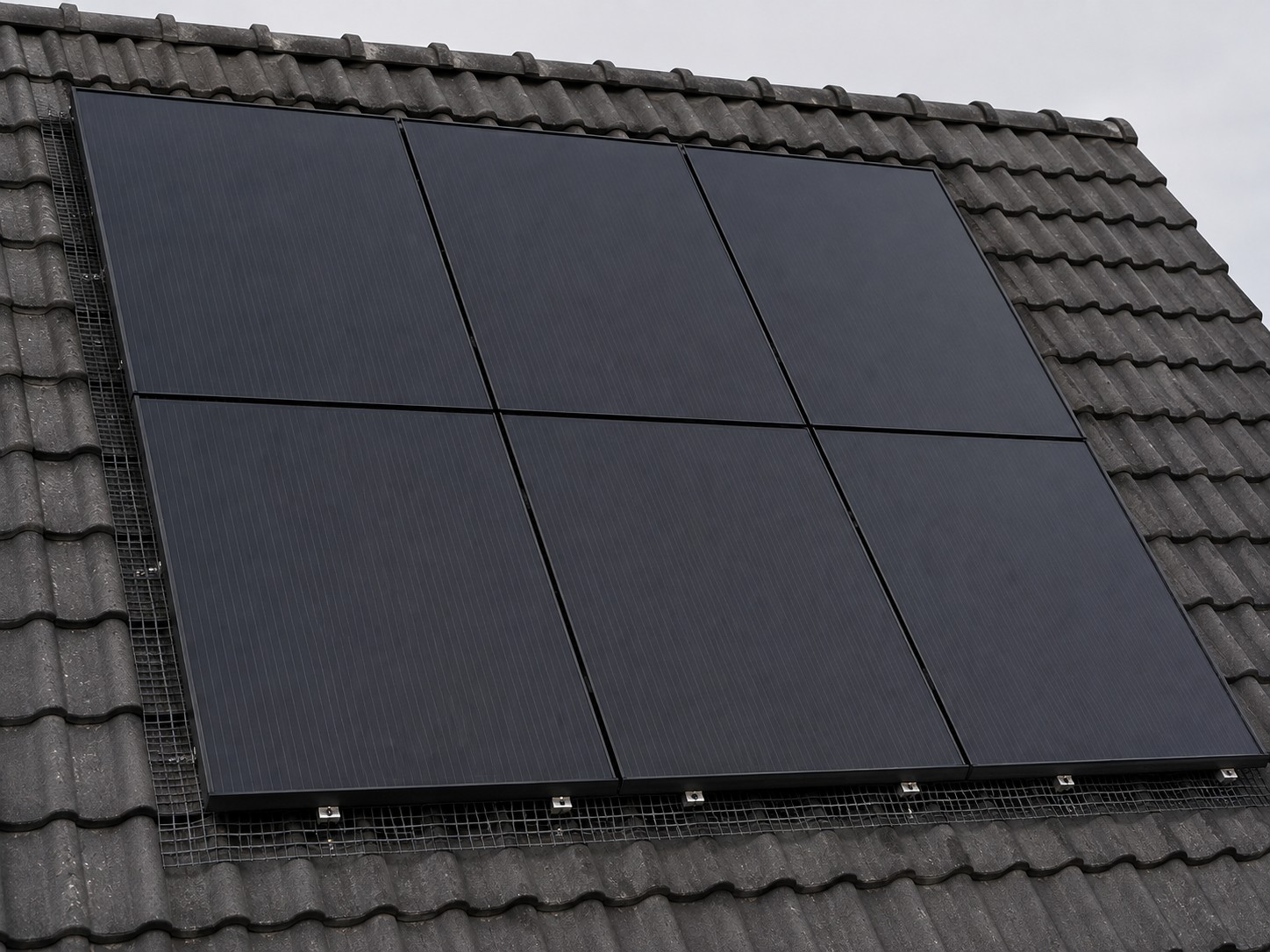
The panels
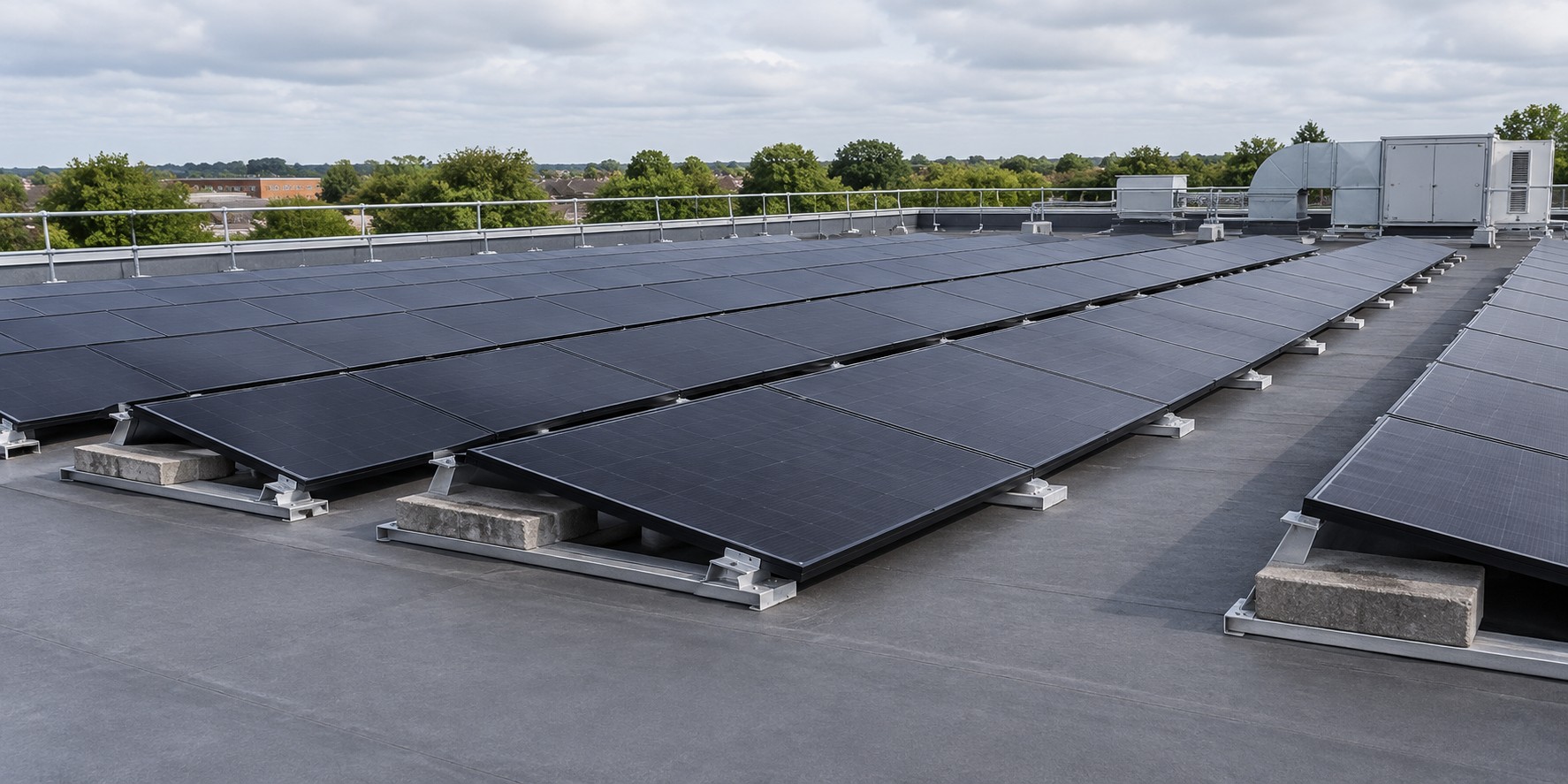
Fixed to your roof on rails. No moving parts, nothing to service, and they carry long manufacturer warranties.
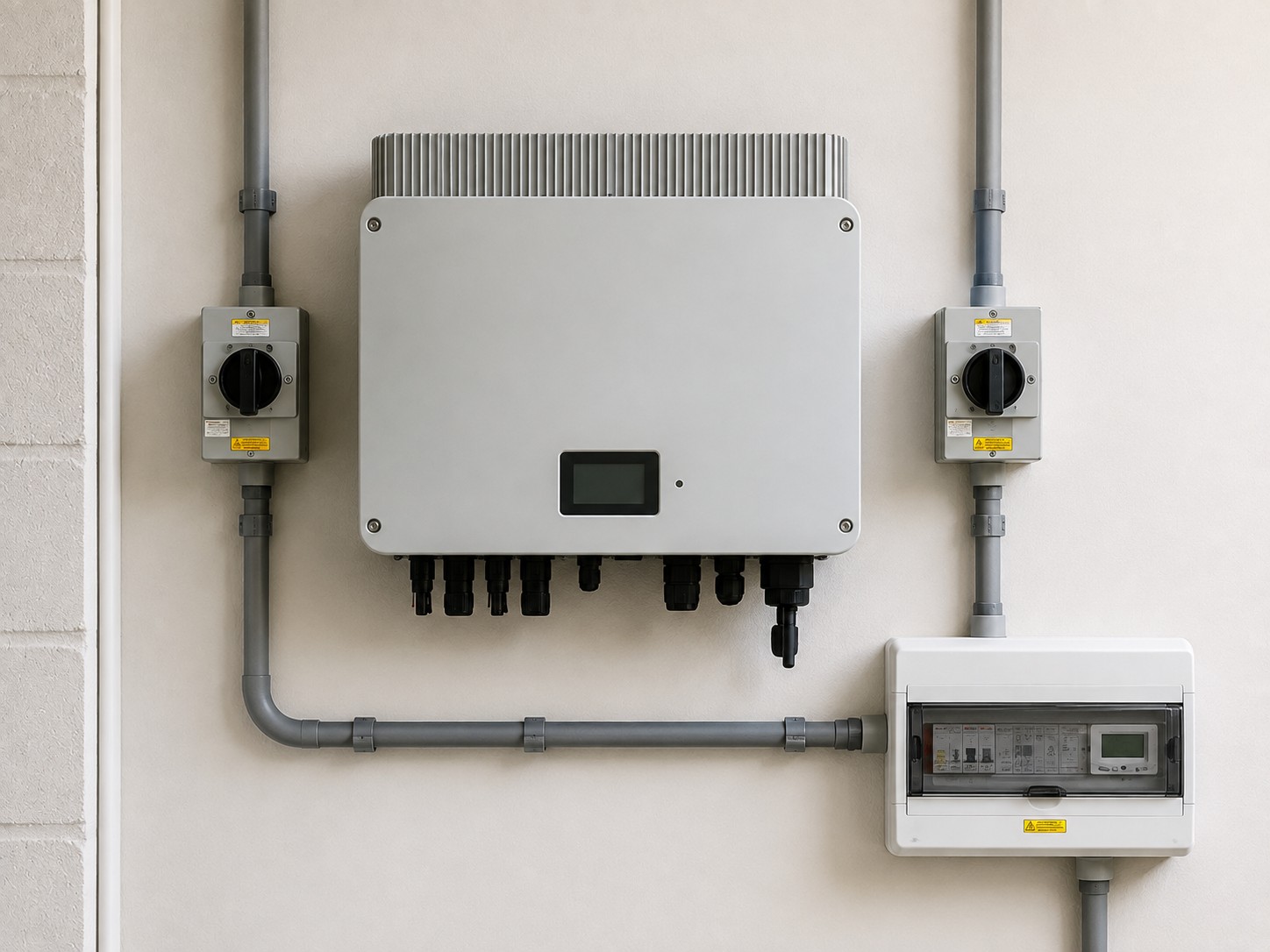
The inverter
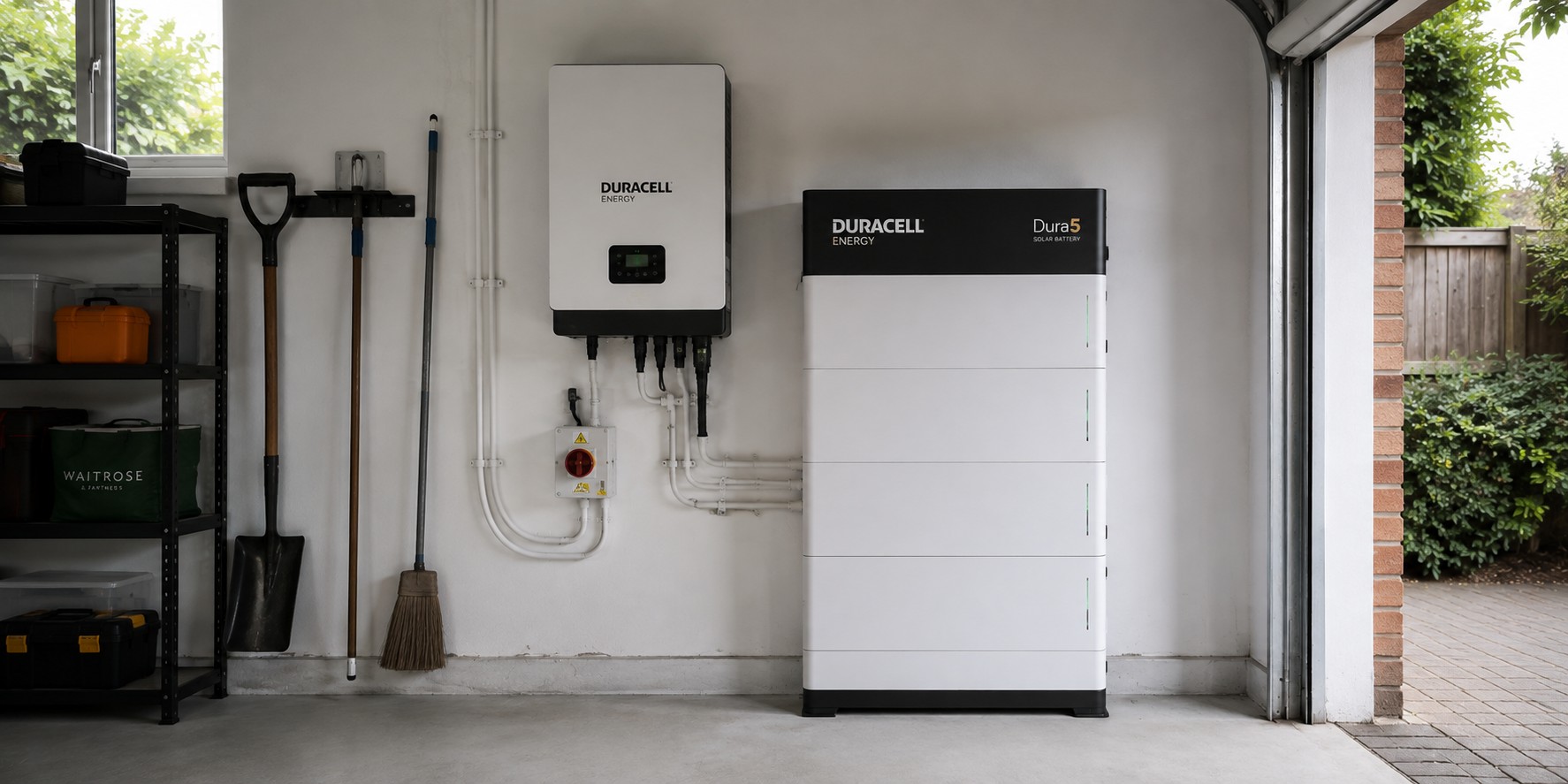
A box in the loft or the garage. It converts what the roof makes into the kind of electricity your sockets use.
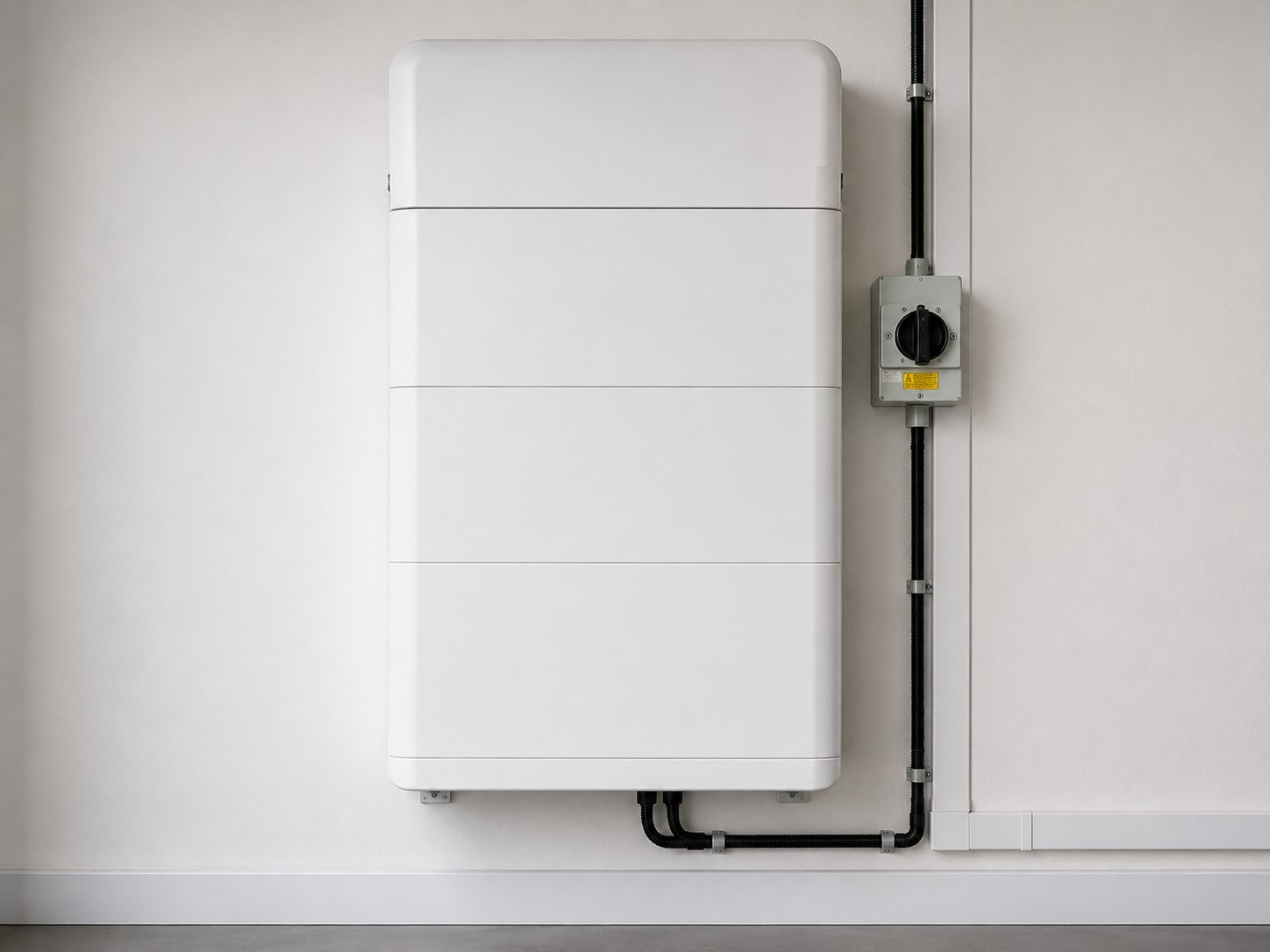
The battery
Holds the daytime surplus so you can use it at night. Without one, the spare goes to the grid instead.
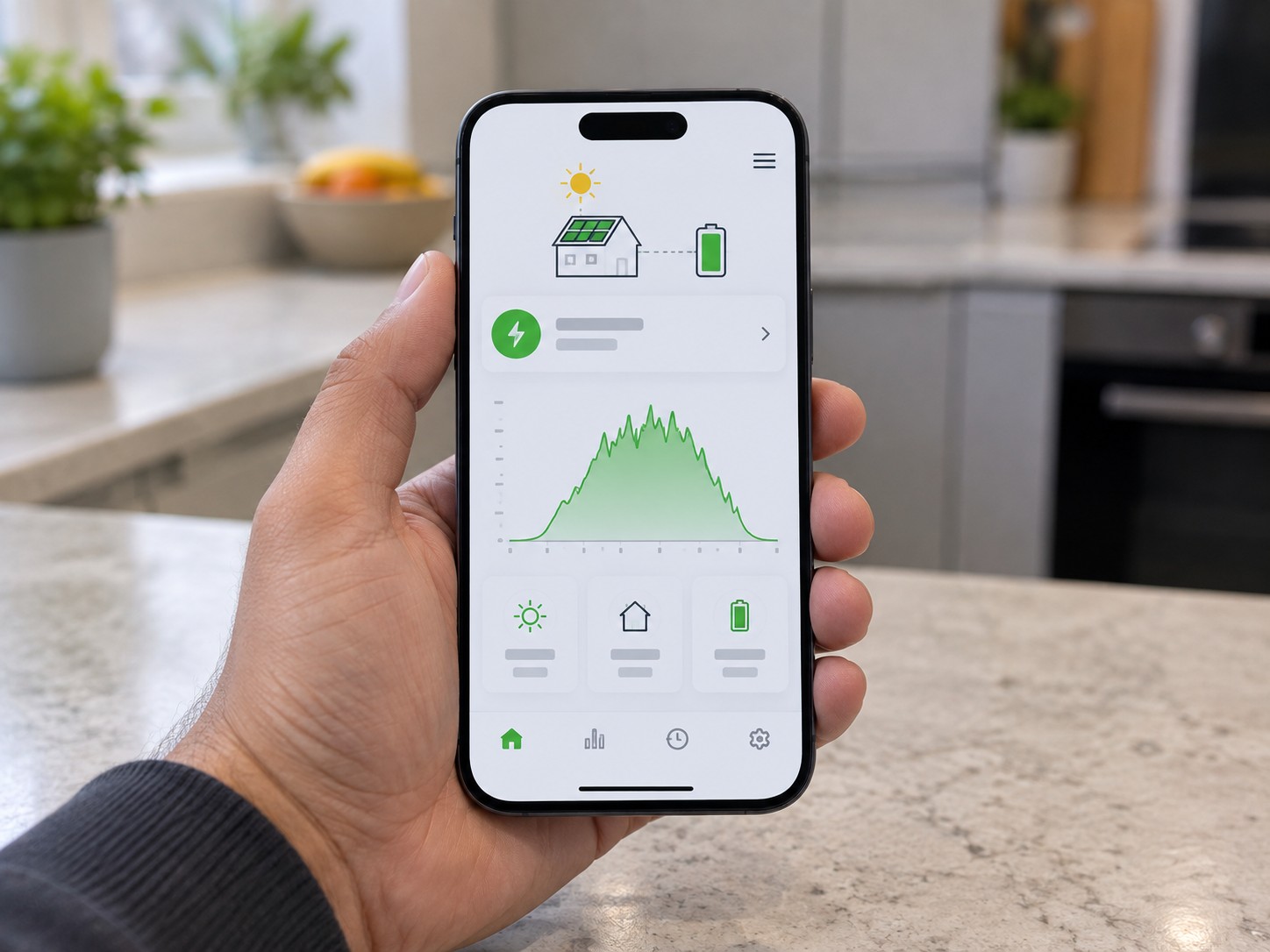
The app
The only part you ever touch. What you are making, using and storing, live, on your phone.
Will it work on your roof?
The most common reason people do not enquire is assuming their roof faces the wrong way. Usually it matters less than they think.
Which way does your roof face?
Is anything shading it — trees, a chimney, next door?
Roughly how many panels would fit?
Worked from about 950 kWh per kWp a year, the figure used for an unshaded south-facing array in southern England, at 470W a panel. Your own number also depends on roof pitch, and comes from the MCS calculation we do at the survey.
Excellent roof for solar
Roughly enough to cover a typical household’s electricity for the year.
What help can you get?
Everyone gets the first two. The other two depend on your circumstances, and we check them properly at the survey.
Does anyone in your home receive a means-tested benefit? (Universal Credit, Pension Credit and similar)
Is your household income under £36,000 a year?
How is your home heated?
The first two apply to any installation we do. The last two are run by councils and energy suppliers rather than by us — we will tell you at the survey whether you qualify and who delivers it. Scheme rules and closing dates change.
No VAT on solar or battery installations until 31 March 2027. Applies to every home, with no application to make.
EveryoneLicensed suppliers must offer an export tariff. You are paid for every unit you send back.
EveryoneCouncil-run funding for solar, battery included, aimed at lower-income households in EPC D to G homes.
CheckSupplier-funded upgrades, closing 31 December 2026. Solar only where the home is already electrically heated.
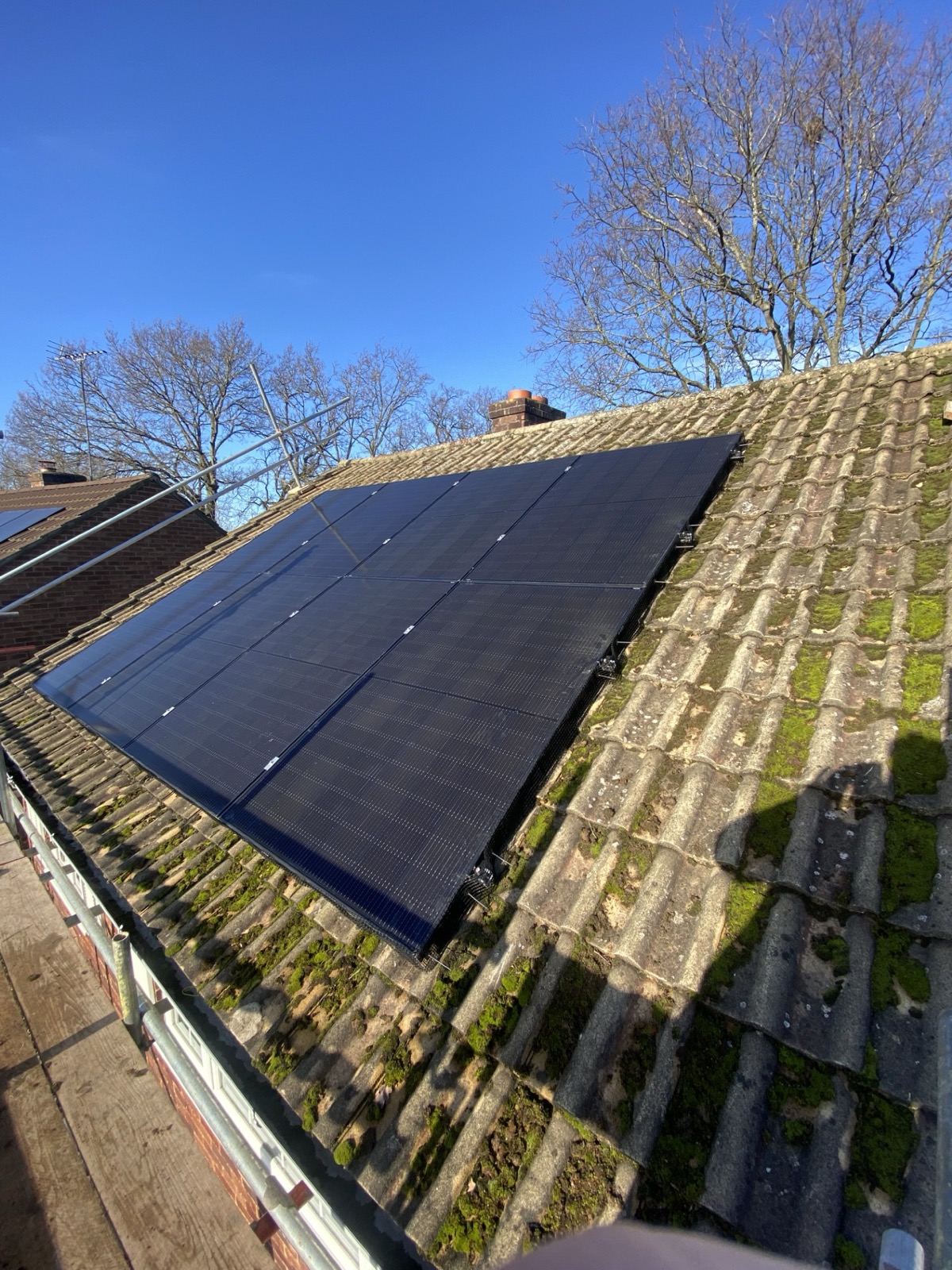
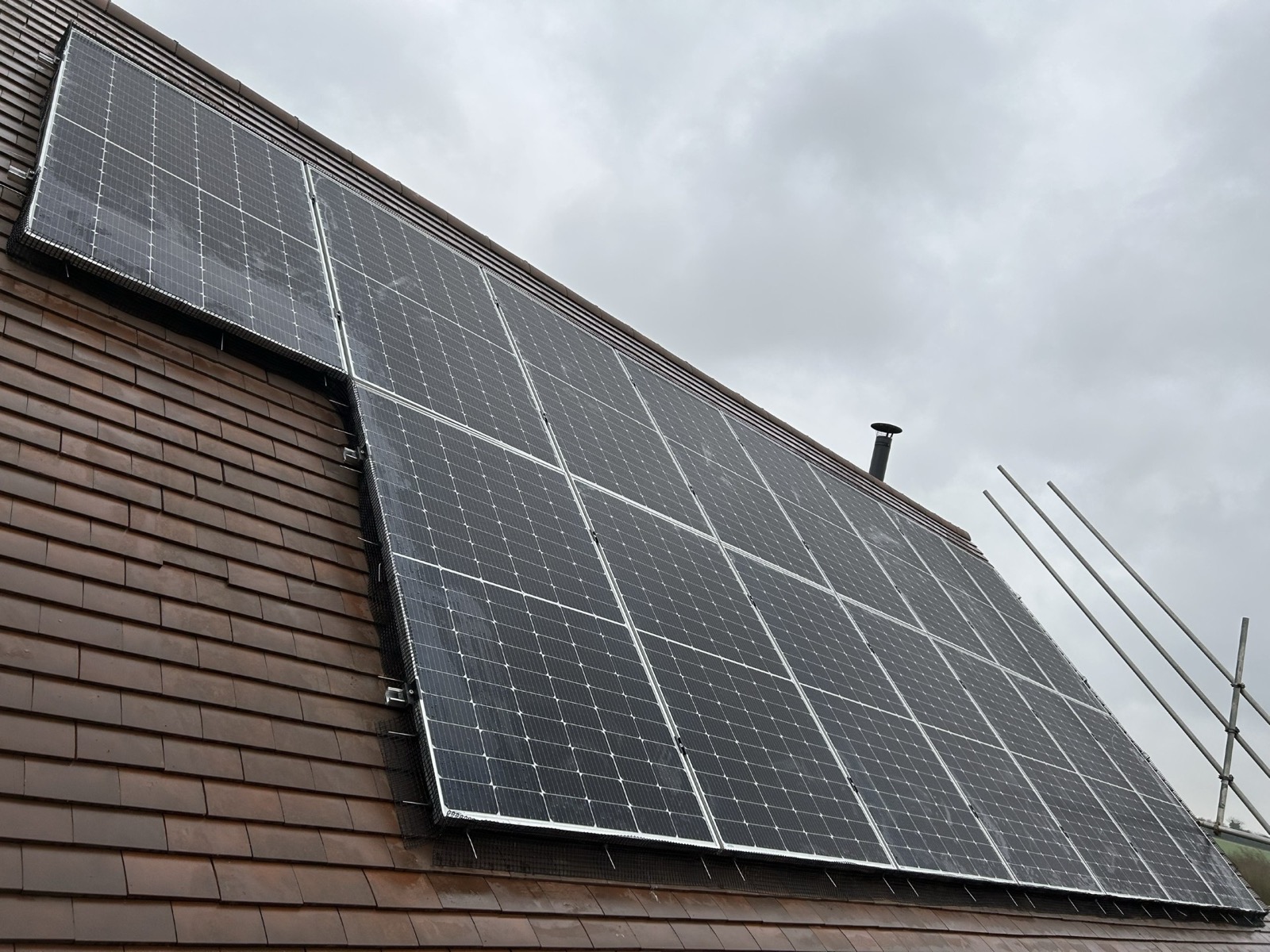
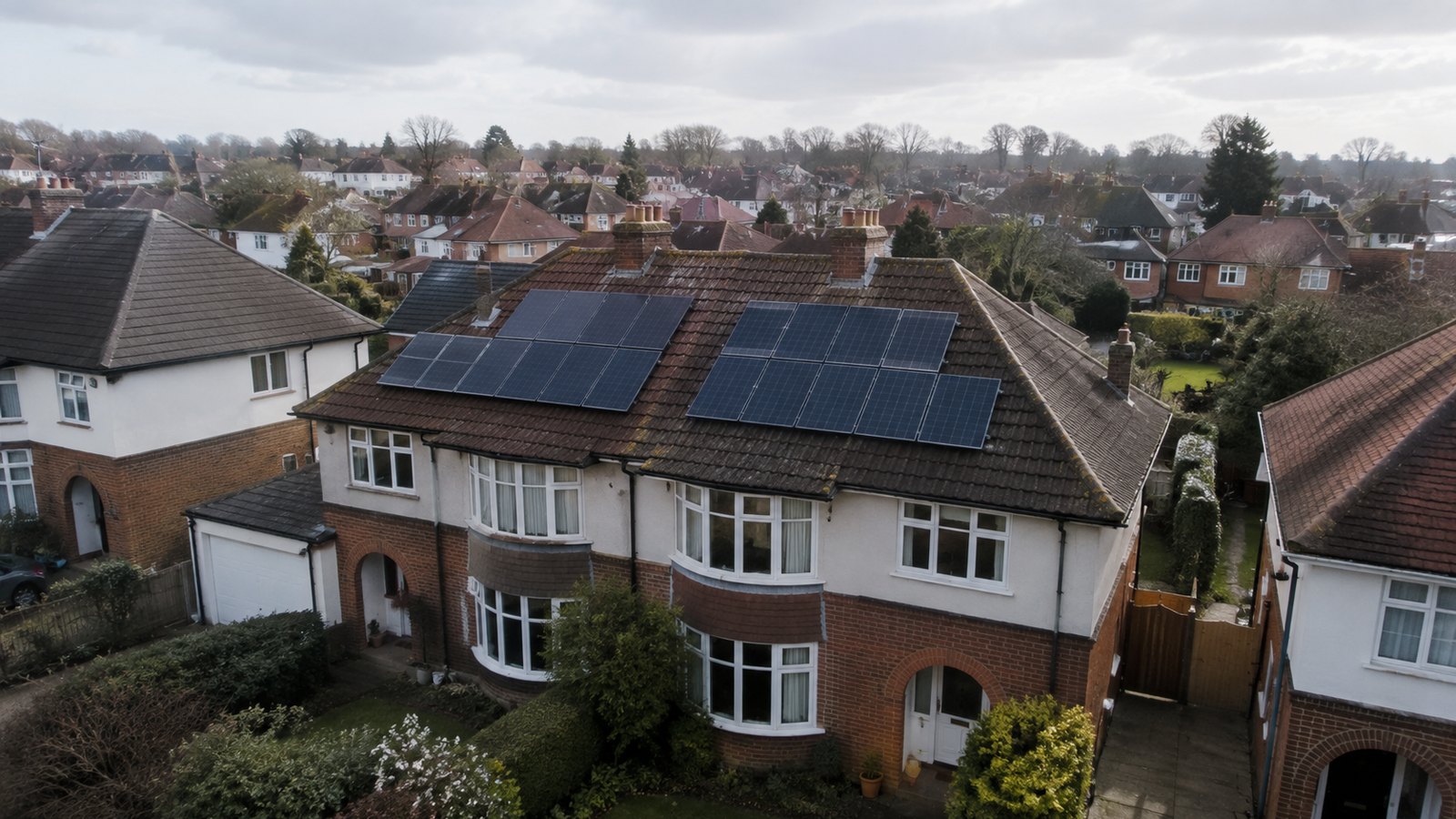
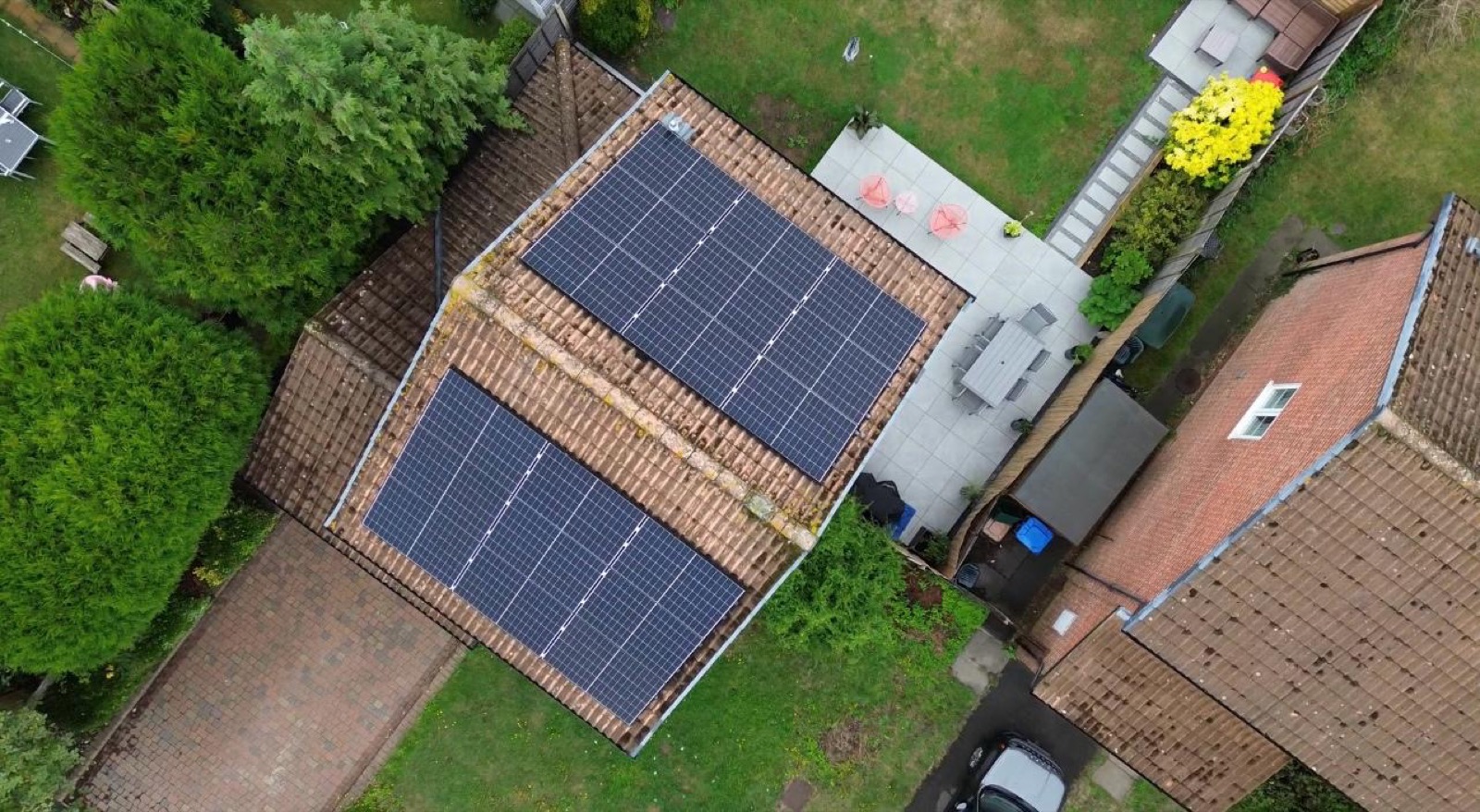
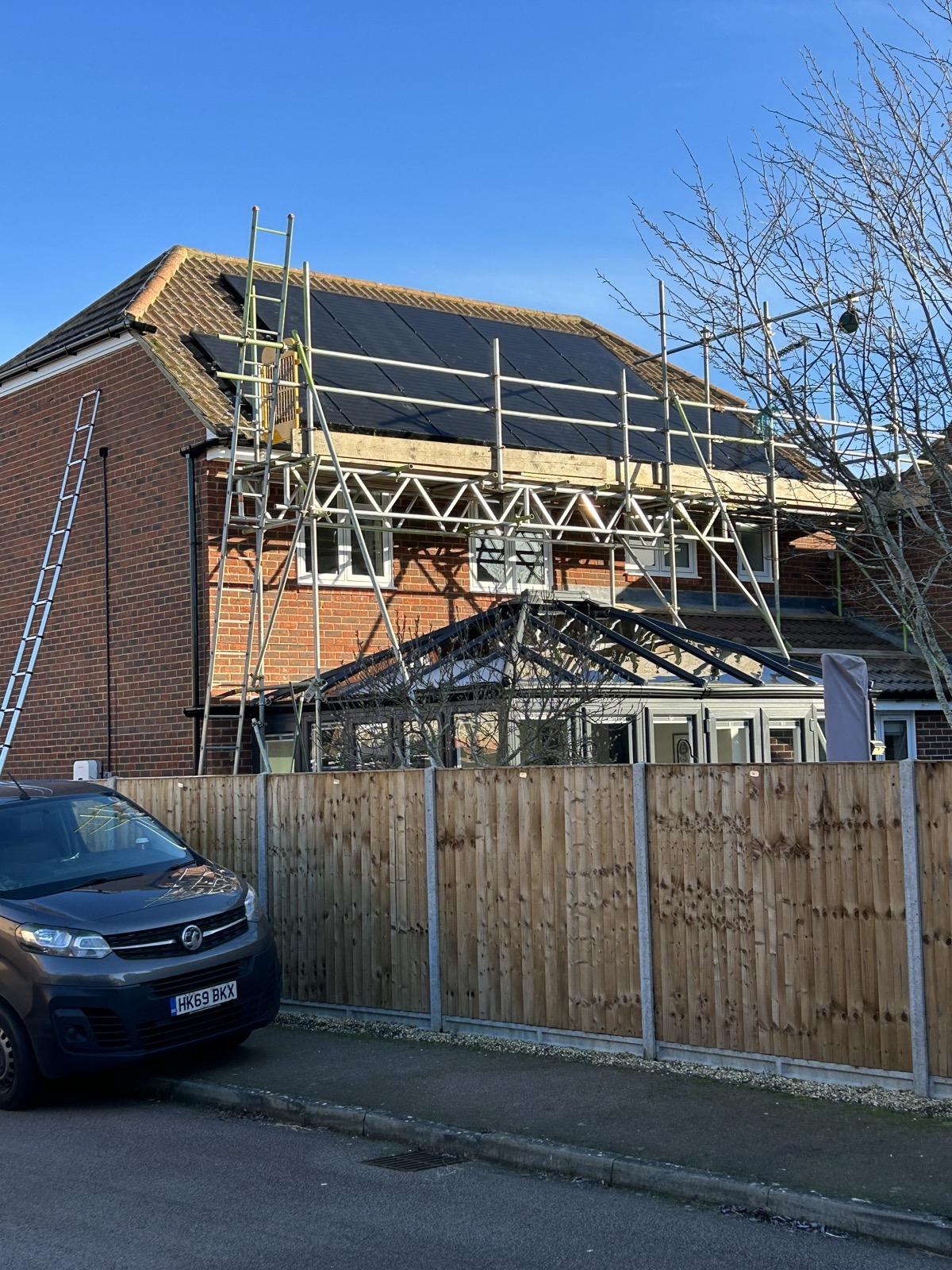
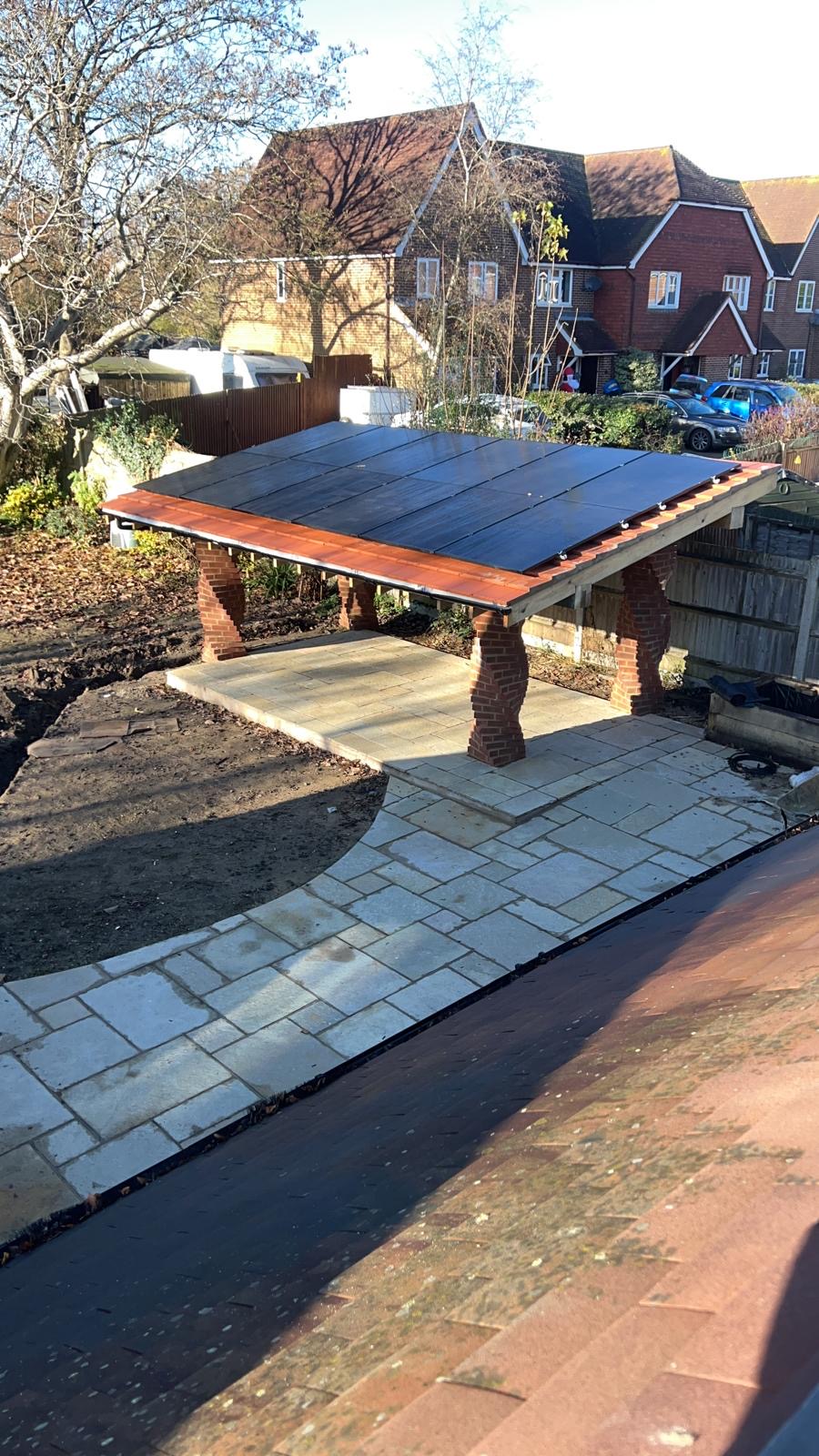
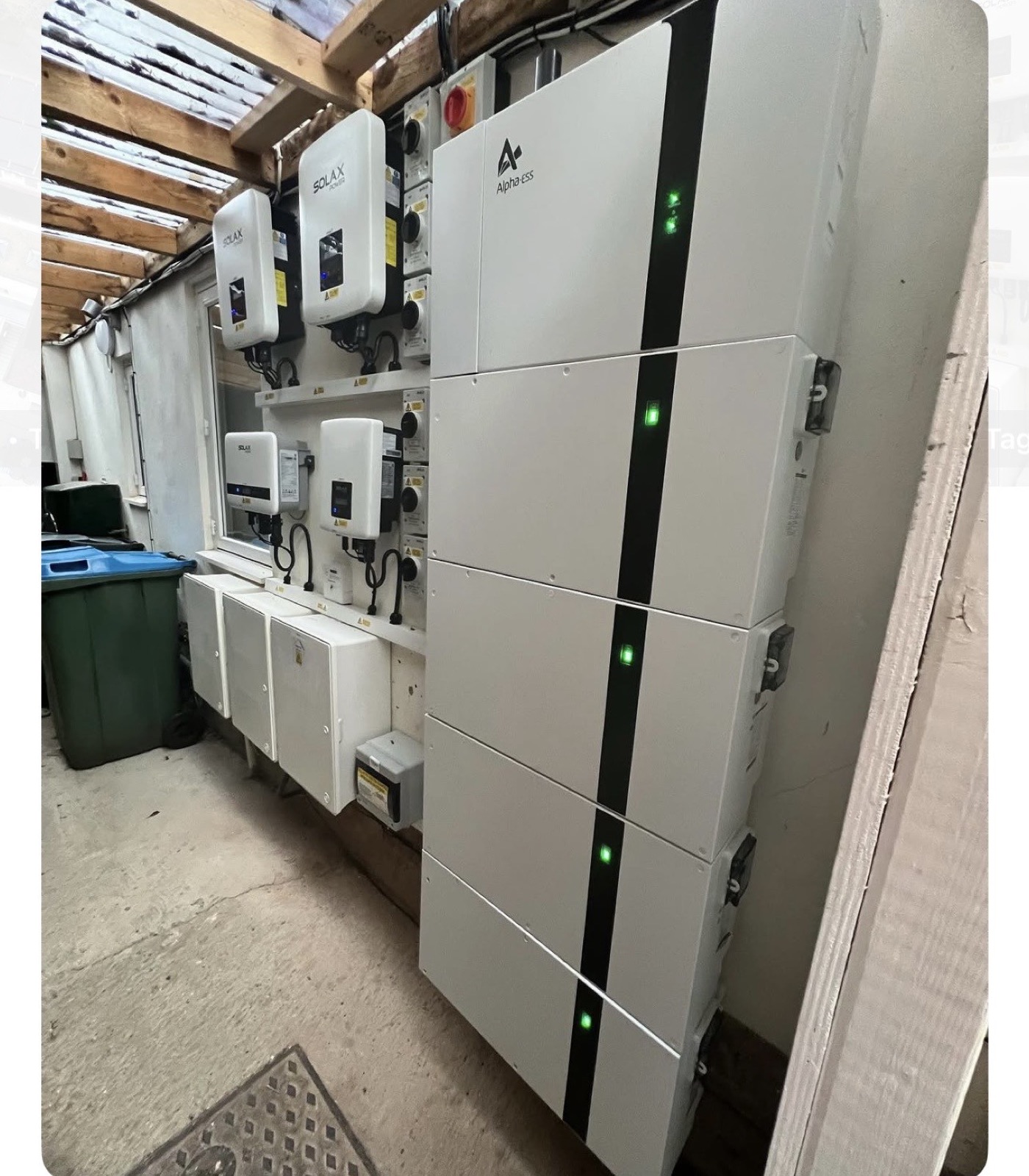
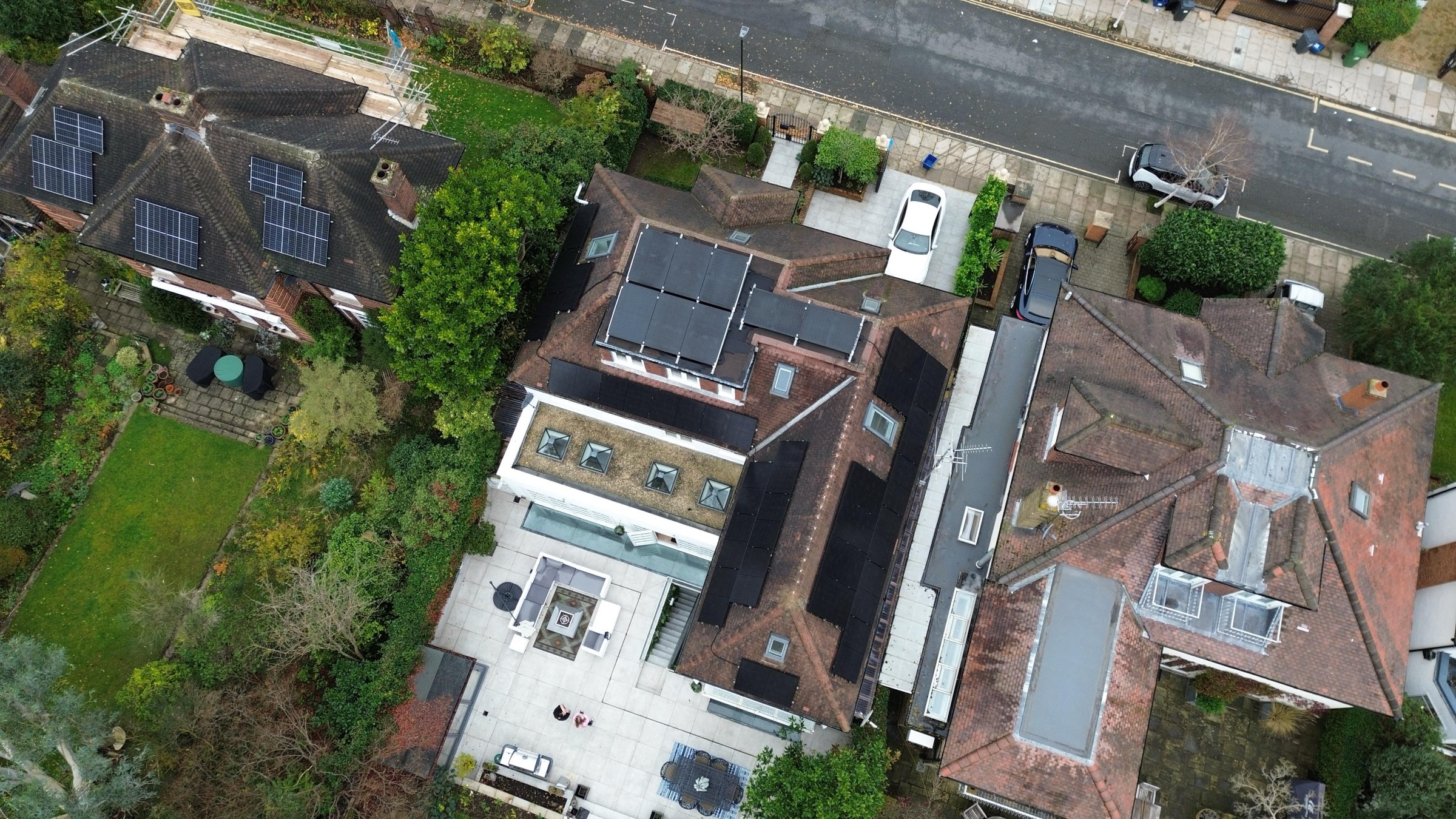
CheckRecent installations
Tile, slate, flat, ground-mounted and outbuildings.
What customers said about their solar
Published on Google and TrustATrader.
“From the first call to getting my certification after install, the process was outstanding.”
“They completed the installation in less than 3 days without much upheaval at all.”
“We are delighted with the results and the work was completed very quickly in a well organised way.”
From first call to switched on
Quick assessment
Send us your address. We assess the roof from survey imagery and estimate what it could generate.
Your proposal
System design, expected generation and the full price, in one clear document.
Survey and approvals
Technical checks at the property, and the network operator application, handled by us.
Installation
Our own certified engineers, including the scaffold going up and coming down.
Live, with monitoring
We commission the system, set up the app and register the installation with MCS.
And then we are still here
The installation is two days. The system is on your roof for decades. This is what happens once the scaffold comes down.
Your paperwork, on the day
MCS certificate, DNO notification, electrical certificate, commissioning record and the manufacturer documentation. Registered with MCS within ten working days.
Two years, in writing
Two years, in writing, transferable to the new owner if you sell, and insurance-backed.
You can see what it is doing
The monitoring app shows generation, what the house is using and what the battery is holding. We set it up with you before we leave.
One number, not a call centre
If something is not right you ring the people who installed it. We attend within five working days, and within 24 hours if you are left without heating or hot water.
Two things people ask about next
Both have a page of their own.
The questions we get asked most
Does it work on cloudy days?
Yes. Output drops on an overcast day but the system keeps generating. That is why the estimate we give you is based on a full year of weather, not a sunny afternoon.
Do I need a south-facing roof?
No. East and west-facing roofs are usually still worth doing. The survey gives you the generation figures for your actual roof before you commit to anything.
Is there a grant for solar?
No direct grant, but VAT on solar is 0% until 31 March 2027, and the Smart Export Guarantee pays you for every unit you export. Both are already counted in the proposal we send you.
Will it power the house in a power cut?
Not on its own. Keeping the lights on through an outage needs a battery set up with backup capability, which not every system includes as standard. If that matters to you, say so at the survey and we will spec for it.
Does solar panels need planning permission?
Usually not for a standard roof install, but flats, listed buildings and conservation areas can differ. We check what applies to your property as part of the survey.
Who applies to the network operator?
We do. The DNO application, and the notification after commissioning, are part of the job rather than something you have to chase.
What if my roof is old, or needs work first?
We check the covering, the battens and the structure at the survey. If the roof needs attention we tell you before you order rather than after the scaffold is up — taking an array off and putting it back is the expensive way to find out. Panels last decades, so it is worth them going onto a roof that will too.
How much roof do I need?
The package on this page is ten panels, which wants roughly 20 square metres of unshaded slope. Smaller roofs still work, with fewer panels and a smaller figure on the quotation.
Do you work with schools and businesses?
Yes. Commercial systems are sized from half-hourly consumption data rather than roof area, and every proposal shows generation, saving and return with the assumptions written down.





















Often worth doing at the same time
Same team, same survey, one visit where it makes sense.
Book a free survey for solar pv
Tell us about the property and we will come and look at it. No charge, and the figures come in writing afterwards.
- A proper survey, and the figures in writing
- Any grant you qualify for, applied for by us
- No charge, whether or not you go ahead
- Weekdays 8am to 5pm, on 01932 550828
Find out what your roof would actually make.
Send us your address and we will assess the roof, estimate generation from a full year of local weather, and put it in writing. The survey is free.