
- Home
- Insulation
- Cavity wall insulation
Fill the gap your heat falls through.
Cavity walls filled from the outside in a day, by our own installers, across Chertsey and Surrey.
What actually happens on the day
It is done entirely from outside. Nobody needs to move furniture and the house stays usable throughout.
The wall gets checked first
A borescope through a small hole confirms the cavity exists, how wide it is, and that it is clean and dry. If it is not, we say so before starting.
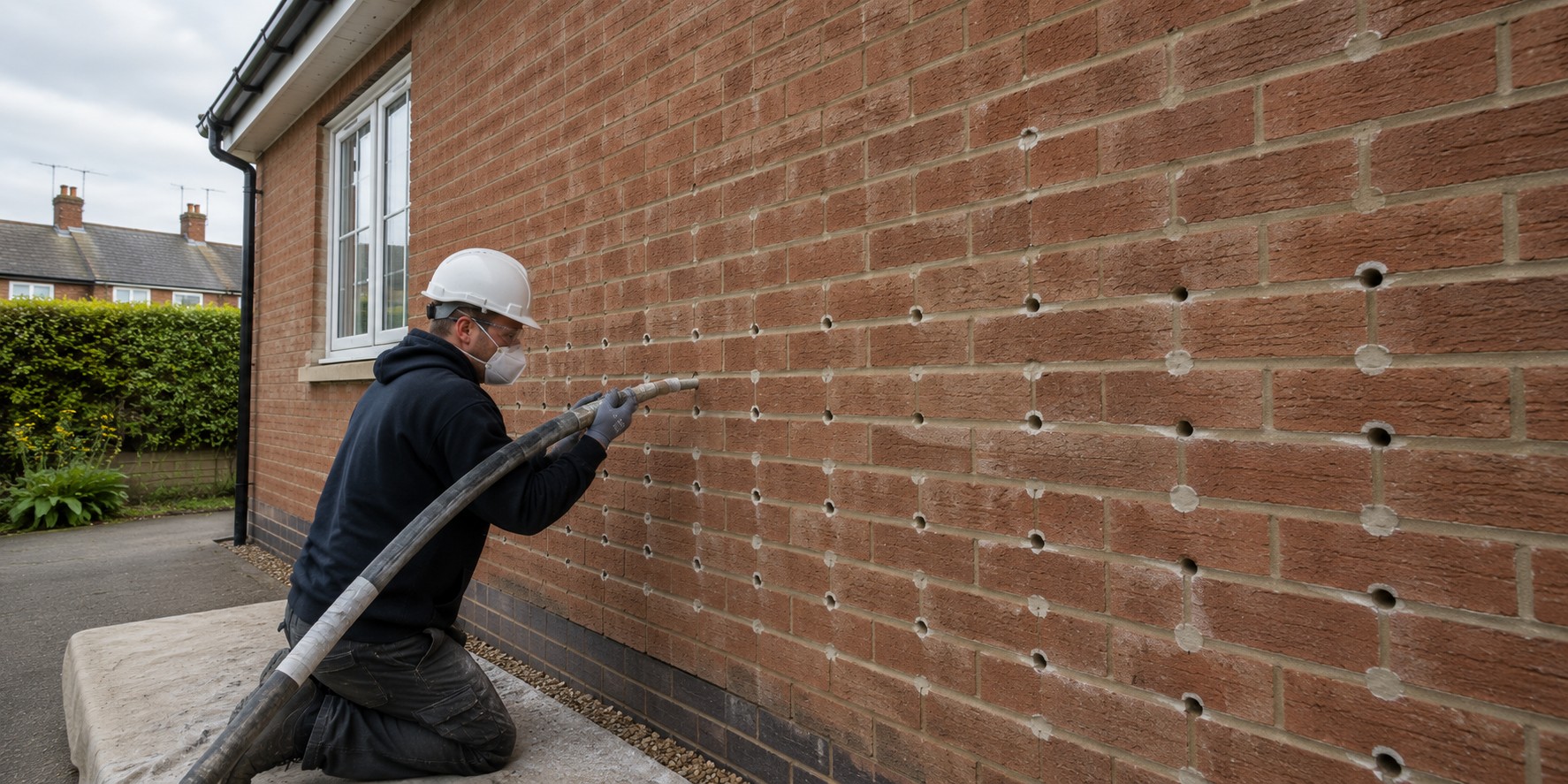
A pattern of holes is drilled
Small holes in the mortar joints, set out to a pattern so the fill reaches every part of the cavity rather than pooling at the bottom.
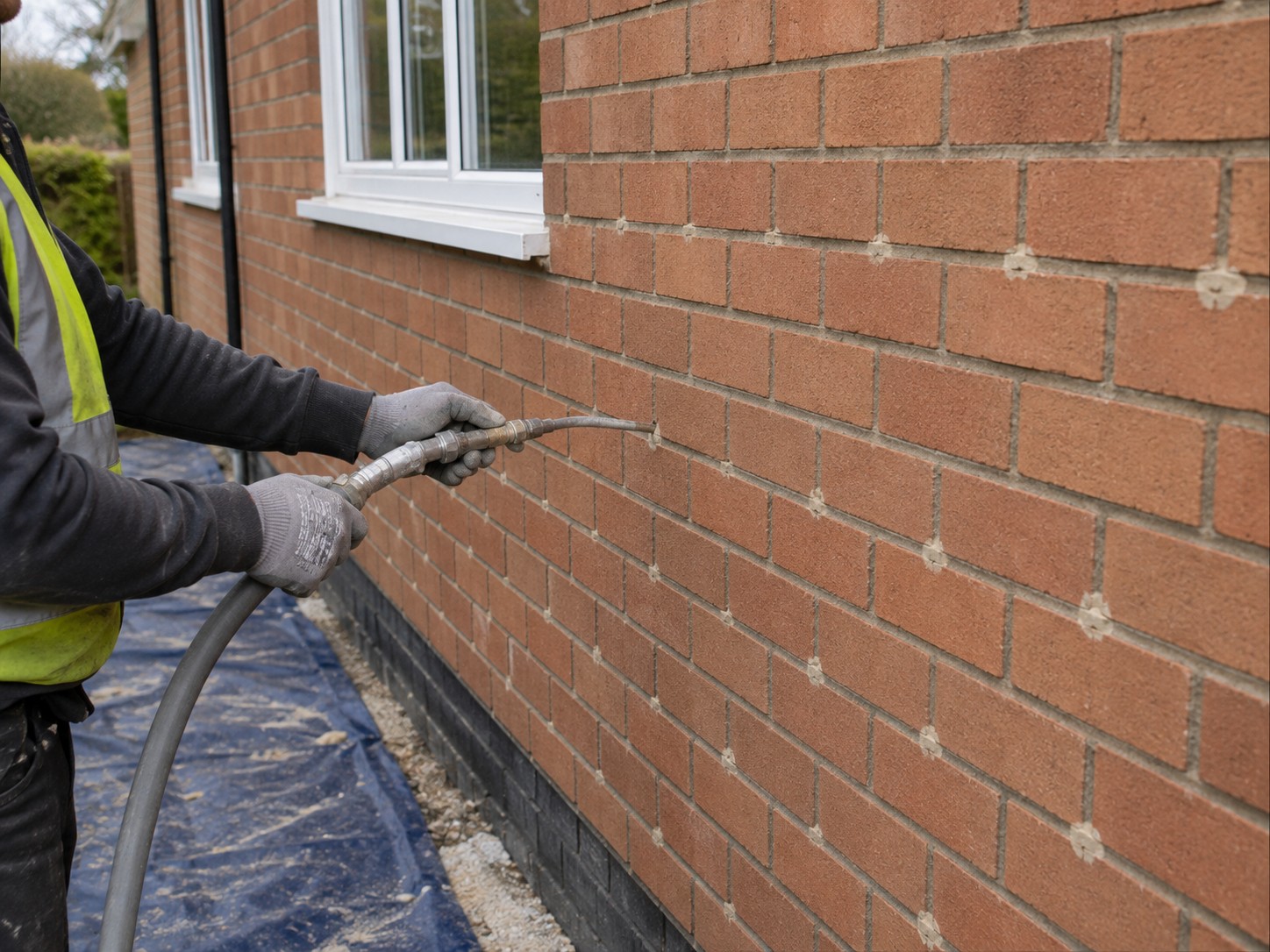
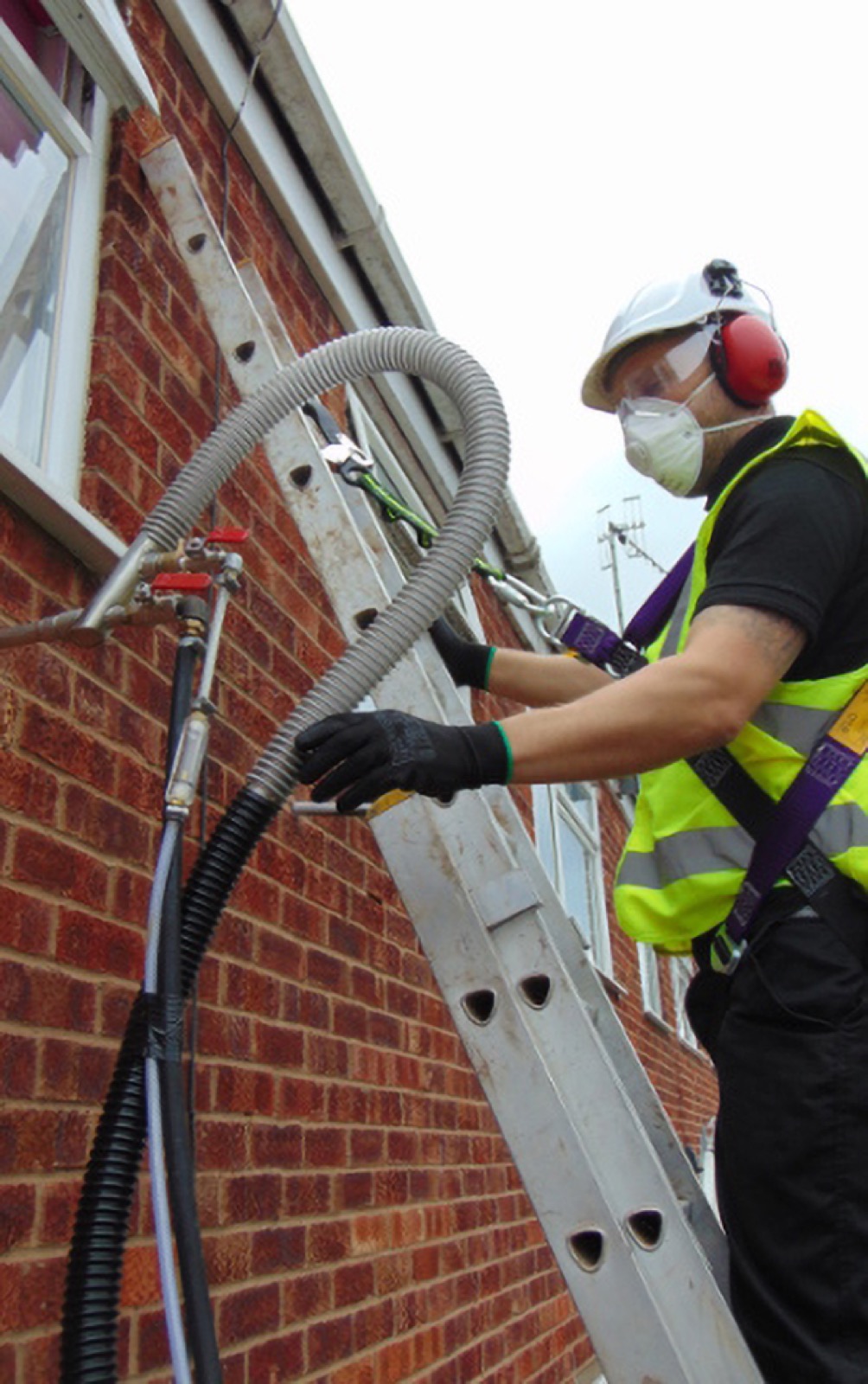
The insulation is blown in
Mineral wool or bonded bead under pressure, filling the gap completely. The machine meters it so the density is right.
The holes are made good
Mortar matched as closely as it can be. On most walls you have to know where to look afterwards.
When a cavity should not be filled
A cavity has to be right before it is filled, and these are the four things that stop the job.
- A cavity that is too narrow
- Below about 50mm there is not enough room for the fill to work properly.
- Rubble or mortar snots in the cavity
- Debris bridges the gap and gives damp a path across. The borescope shows it.
- Damp, or a wall that gets driven rain
- Filling a wall that is already wet traps the water. That gets sorted first.
- Cracked render or failed pointing
- Water getting into the cavity from outside has to be stopped before anything goes in.
Have you actually got a cavity?
Half the enquiries we get are from houses that cannot have it. Two questions usually settles it before anyone visits.
Roughly when was the house built?
Look at the brickwork — what do you see?
Brick laid all long-side-out usually means two skins with a gap between them. Bricks turned end-on are tying a solid wall together. Render hides both.
Very likely, and worth filling
That age and that brick pattern is the classic fillable cavity. The survey confirms the width and that it is clean and dry before anything goes in.
Walls we have filled
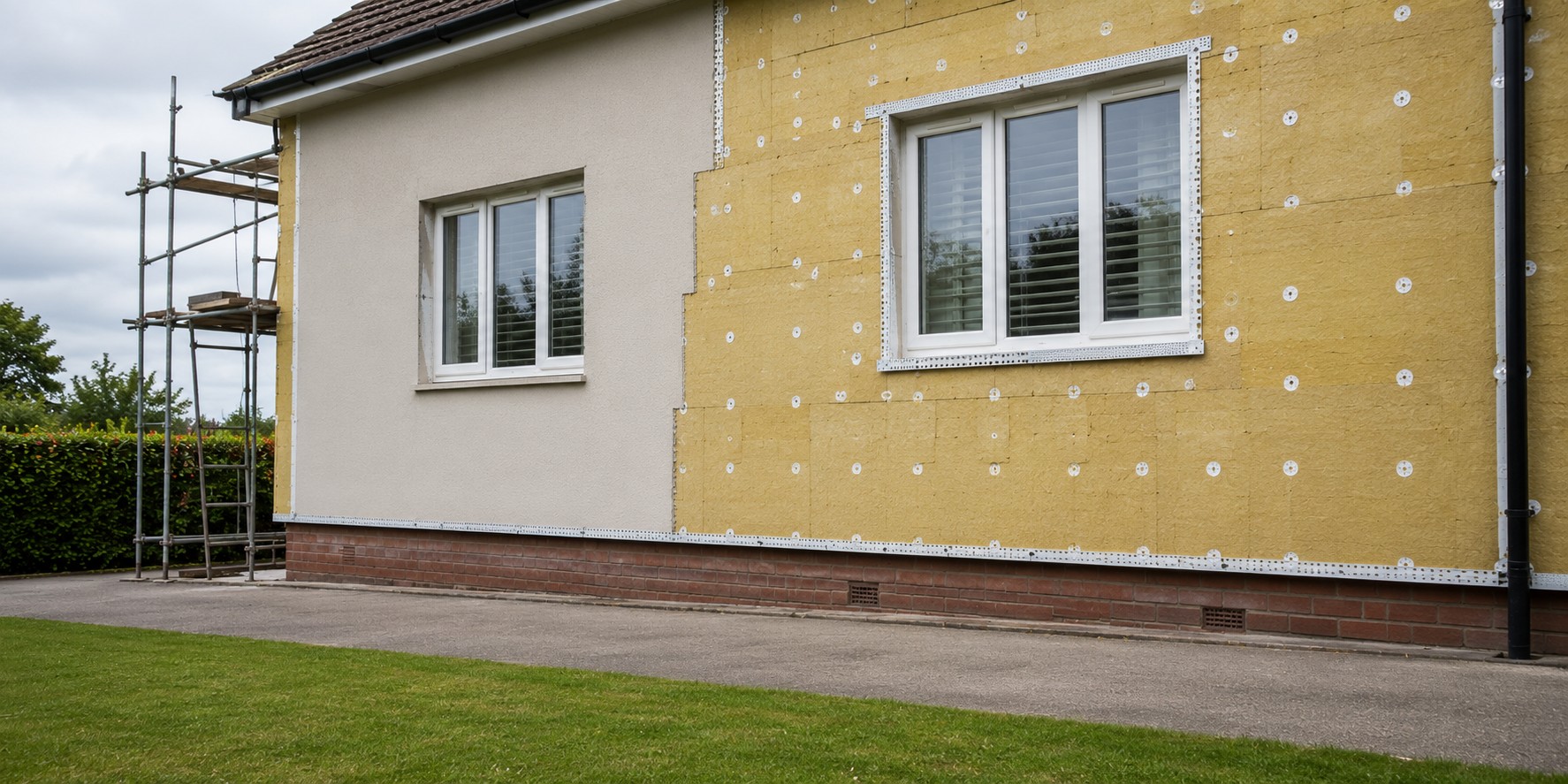
Brick, render and pebbledash, across Chertsey and Surrey.
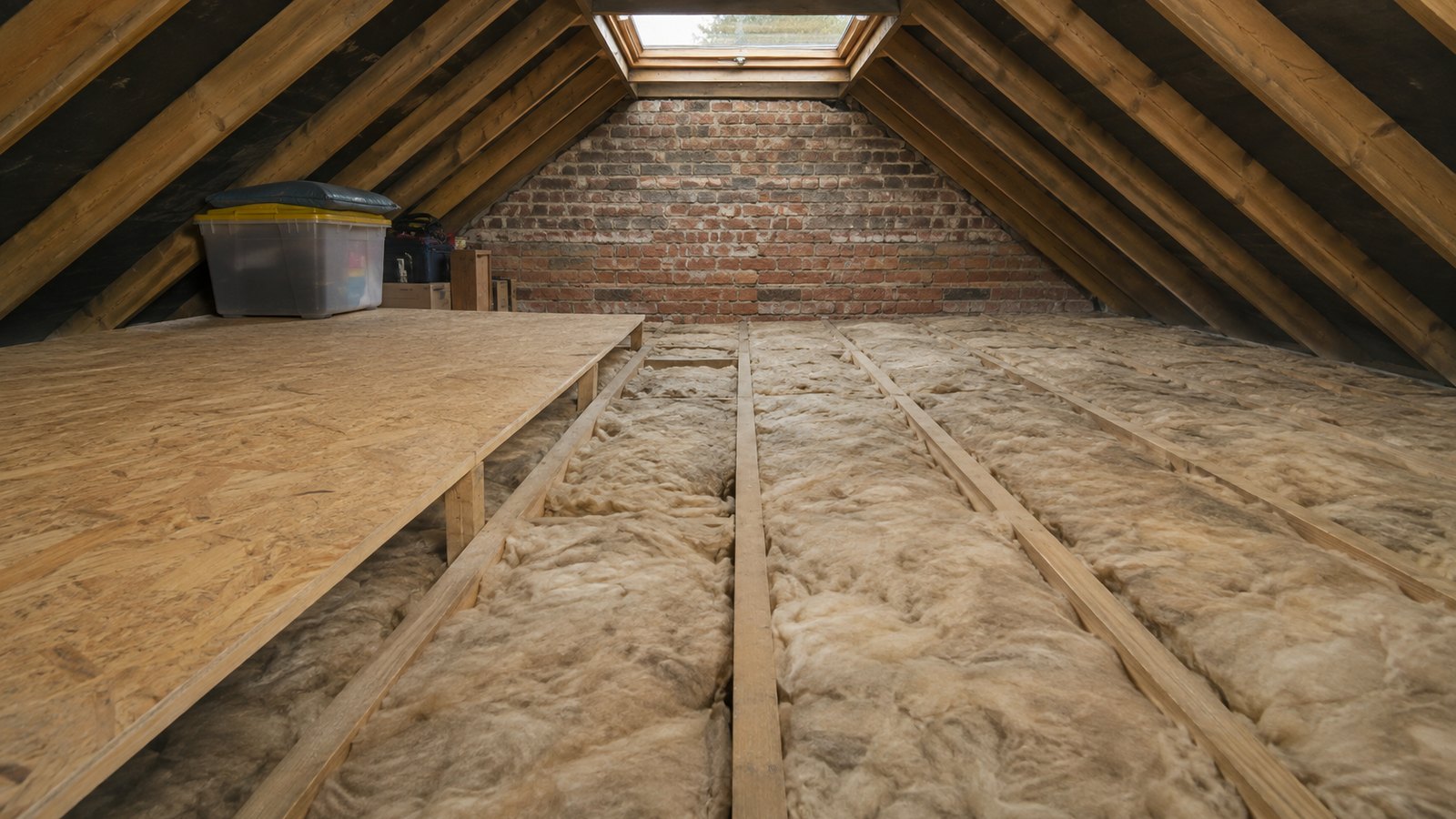
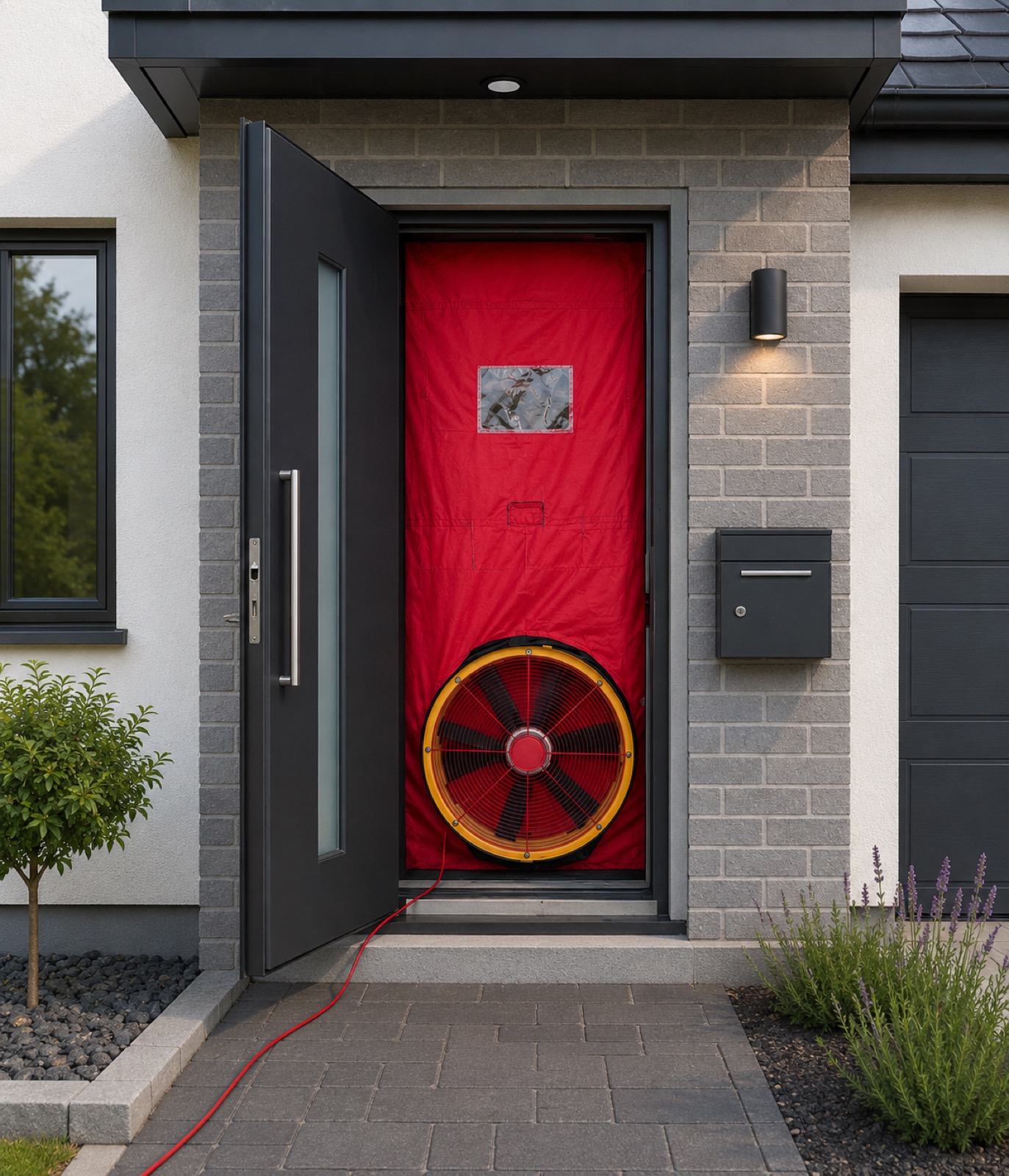
After the loft, the biggest single saving in the house.
A house with an empty cavity, filled, is the biggest single saving after the loft on most houses in Surrey.
It is also one of the measures most often covered in full by a funded scheme, which we check before you commit to anything.
Your own saving depends on the house, the wall construction and how you heat it.
How the job runs
A look at the walls
Age, construction and the brick pattern. Ten minutes at the property tells us most of it.
Borescope
A small hole confirms the cavity width and that it is clean and dry before anything is quoted.
Funding checked
Cavity wall is one of the measures most often fully funded. We establish that first.
Installation
Drill, fill, make good. Most semis are done in a day, from outside.
Certification
The guarantee and the paperwork a scheme or an EPC assessor will ask for.
After the work is signed off
Filled cavities are not something you maintain, but the paperwork matters.
Your paperwork, on the day
Installation certificate, the borescope record and, on a funded job, the scheme documentation.
A two year guarantee
In writing, transferable to the new owner if you sell, and insurance-backed.
It shows on your EPC
Wall construction and insulation is one of the heaviest weighted things an assessor records.
One number, and the same team
If anything is not right afterwards, you ring us, not a scheme administrator.
Two things people ask about next
Both have a page of their own.
The questions we get asked most
How do I know if I have cavity walls?
Age and brick pattern. A house built between the 1930s and the 1990s usually has cavities, and brickwork laid all long-side-out is the giveaway. A borescope at the survey confirms it properly.
Can cavity wall insulation cause damp?
Not in a wall that is suitable and dry. The reasons a wall is unsuitable — debris in the cavity, existing damp, driven rain, failed pointing — are exactly what the survey looks for beforehand.
How long does cavity wall insulation take?
A day for most houses, and it is all done from outside.
Will you damage the brickwork?
Holes go into the mortar joints, not the bricks, and are made good with mortar matched as closely as it can be.
Can it be removed if it goes wrong?
Cavity wall extraction exists and we can arrange it, but the point of the survey is to avoid ever needing it.
Is there VAT on cavity wall insulation?
No. Insulation is zero-rated until 31 March 2027.
Could it be free?
Possibly. Cavity wall is one of the measures most often fully covered by a funded scheme, depending on the household and the property.





















Often worth doing at the same time
Same team, same survey, one visit where it makes sense.
Book a free survey for cavity wall insulation
Tell us about the property and we will come and look at it. No charge, and the figures come in writing afterwards.
- A proper survey, and the figures in writing
- Any grant you qualify for, applied for by us
- No charge, whether or not you go ahead
- Weekdays 8am to 5pm, on 01932 550828
We will look before we quote.
Age, construction and a borescope through one small hole. That tells us whether your walls can take it, and whether somebody else will pay for it.