
- Home
- Renewable Energy
- Commercial solar
Cut the biggest bill you have.
Commercial solar and storage designed around your building, your consumption profile and your objectives, across Surrey and the surrounding counties.
Designed against your consumption, not your roof area
A system sized to the roof exports at a low rate all afternoon while you buy at a high one all evening. Starting from your half-hourly data instead gives you an array that displaces the units you actually pay most for.
Every proposal shows projected generation, expected saving and return on investment in full, with the assumptions written down, because a bursar or a facilities manager has to defend those numbers to somebody else.
What goes on a commercial roof
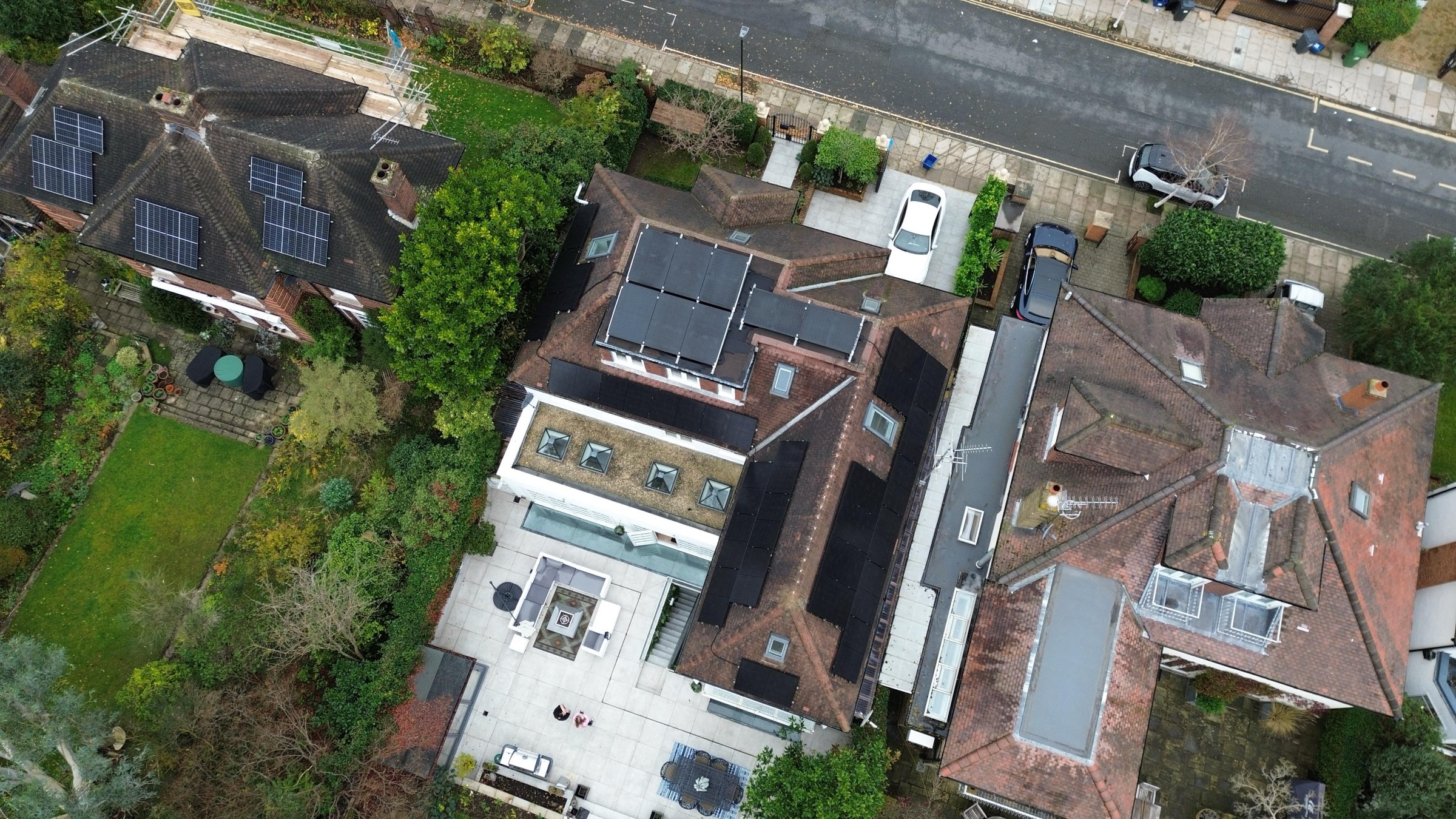
Bigger than a domestic system in every dimension, and the mounting matters more.
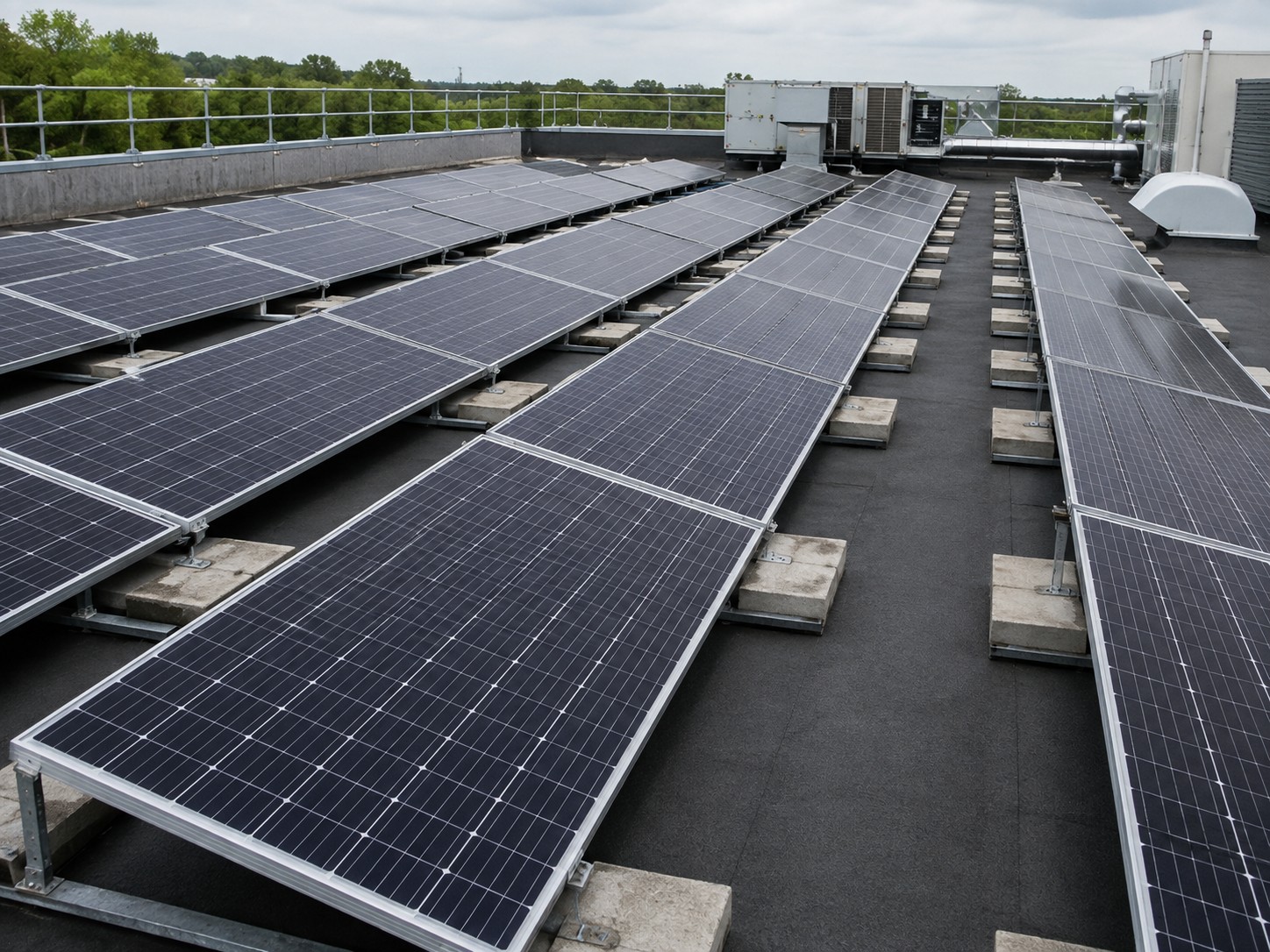
The array
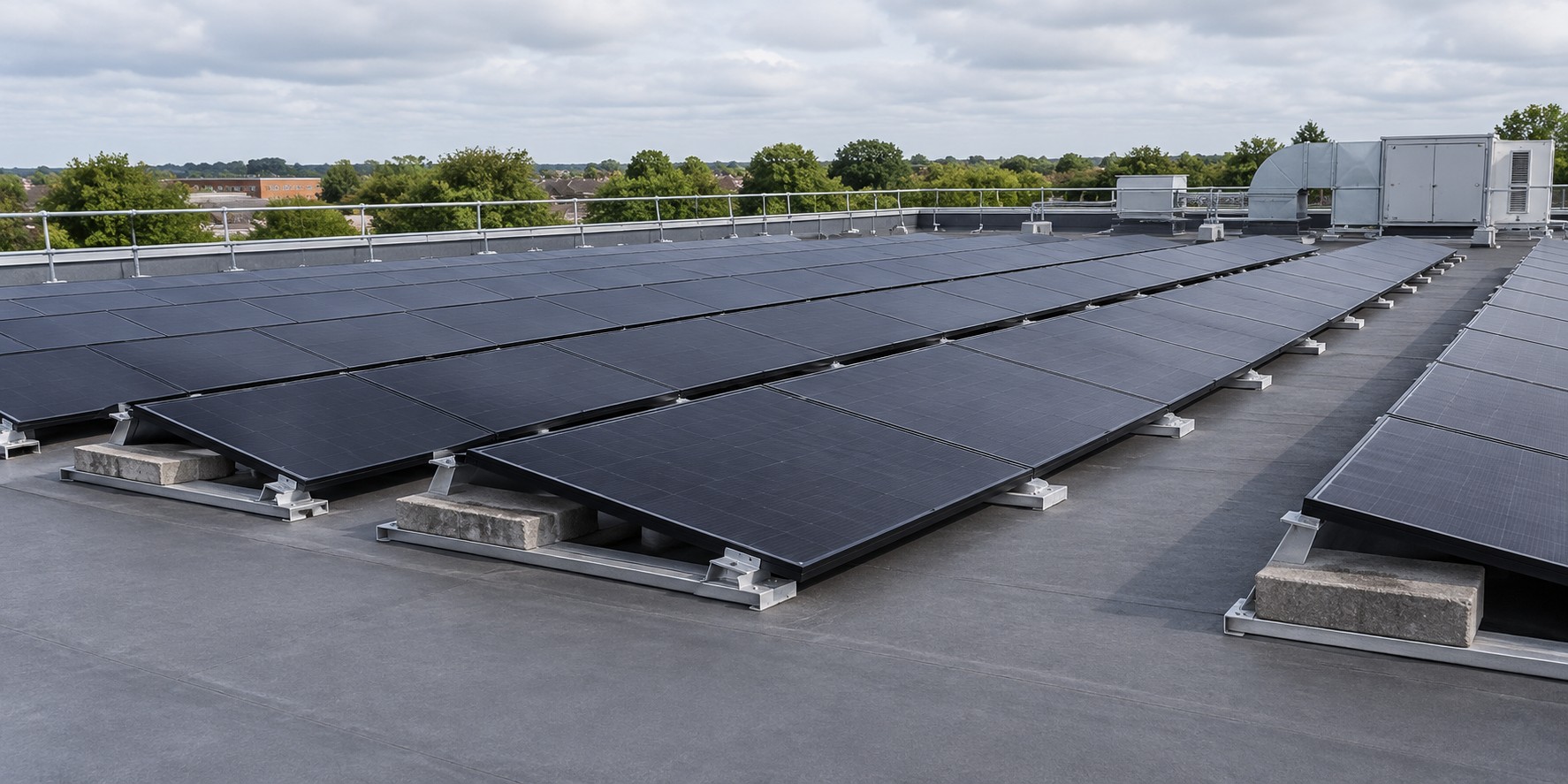
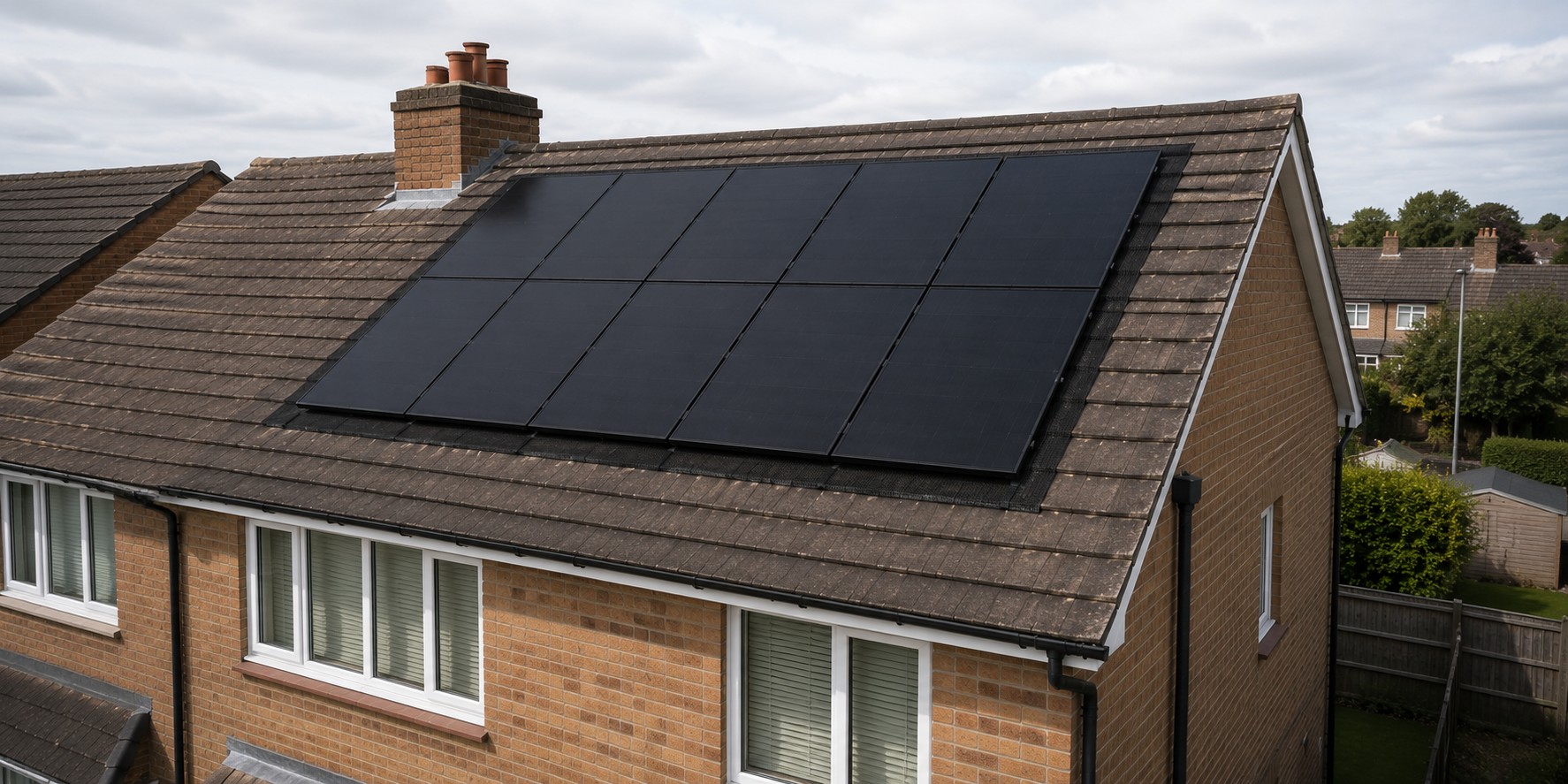
Sized against metered load. On a flat roof, ballasted frames set at a shallow pitch in rows, with walkways left between them.
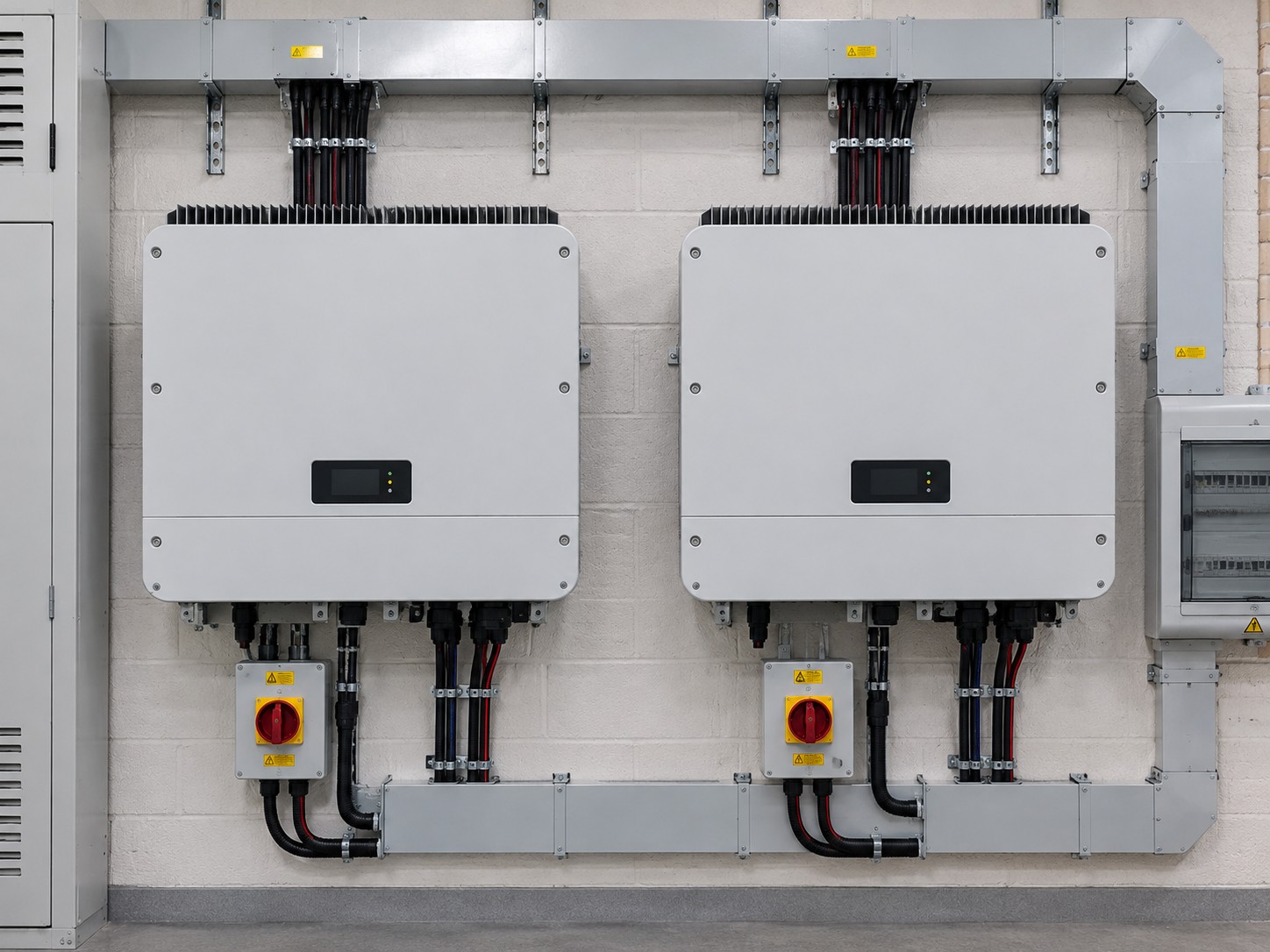
String or central inverters
Sized to the array and positioned for access, with monitoring per string so a fault shows up as a string rather than as a whole site.
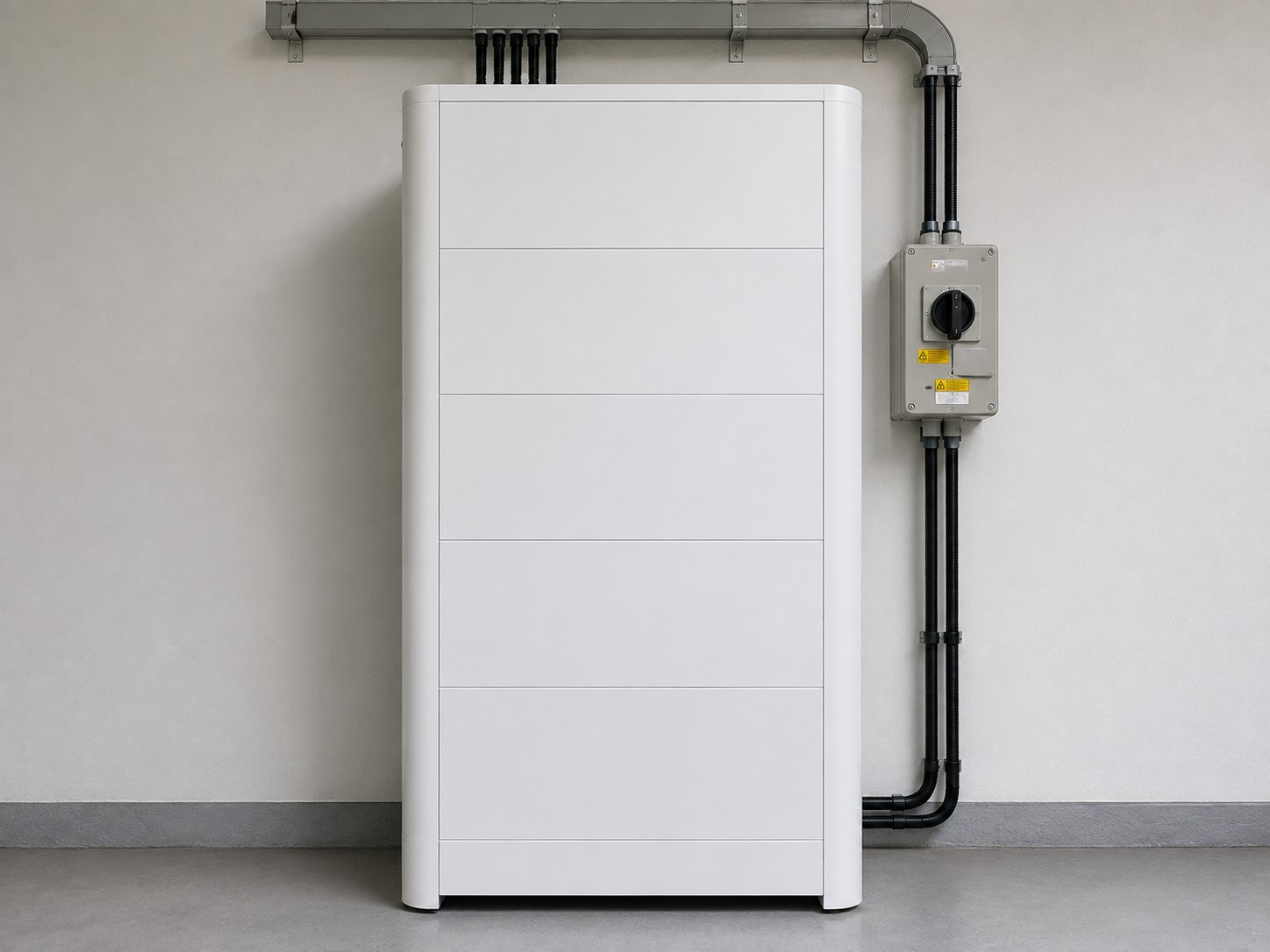
Battery storage
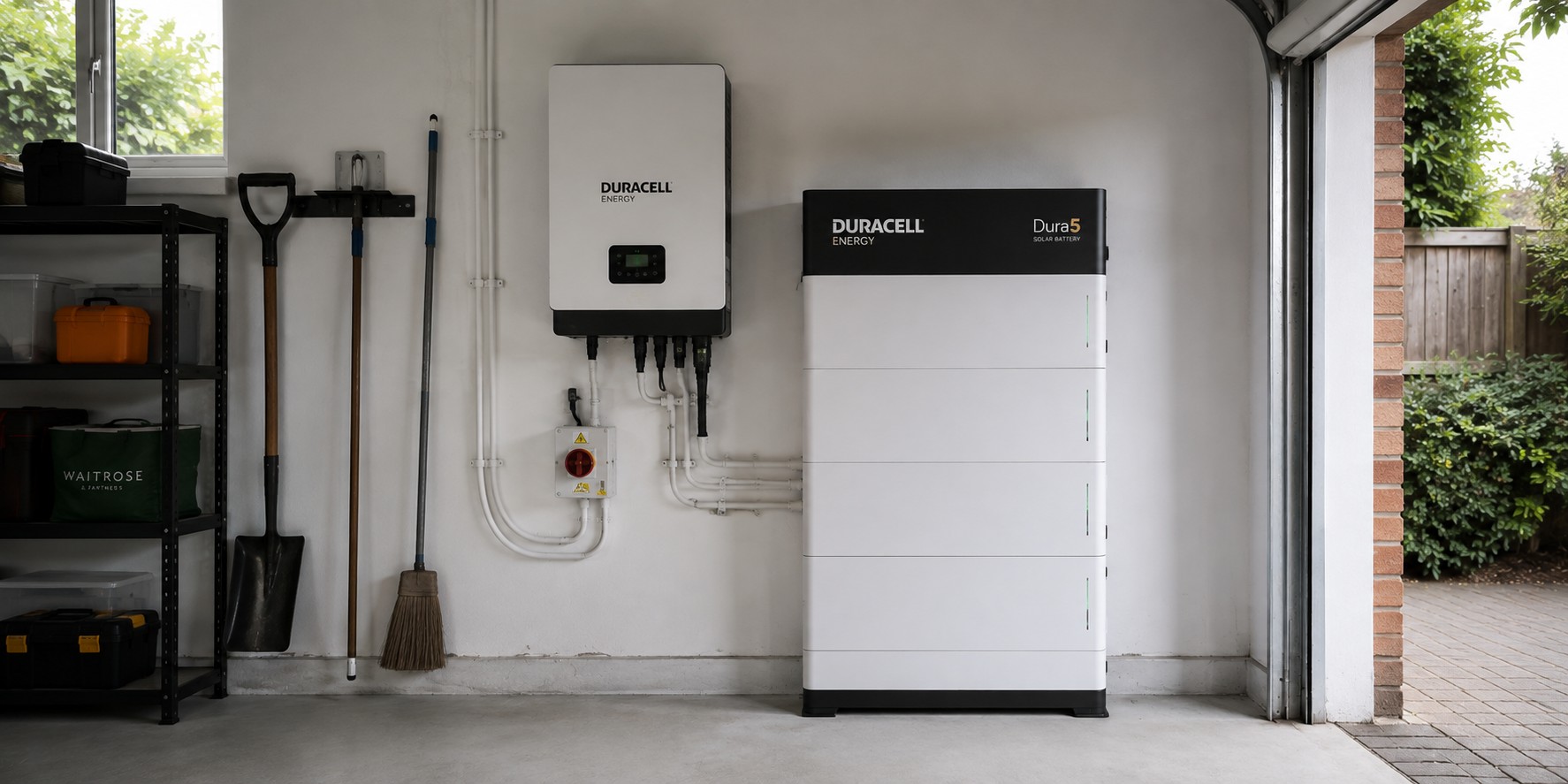
Moves generation into your evening peak and, on the right tariff, can reduce capacity charges as well as unit costs.
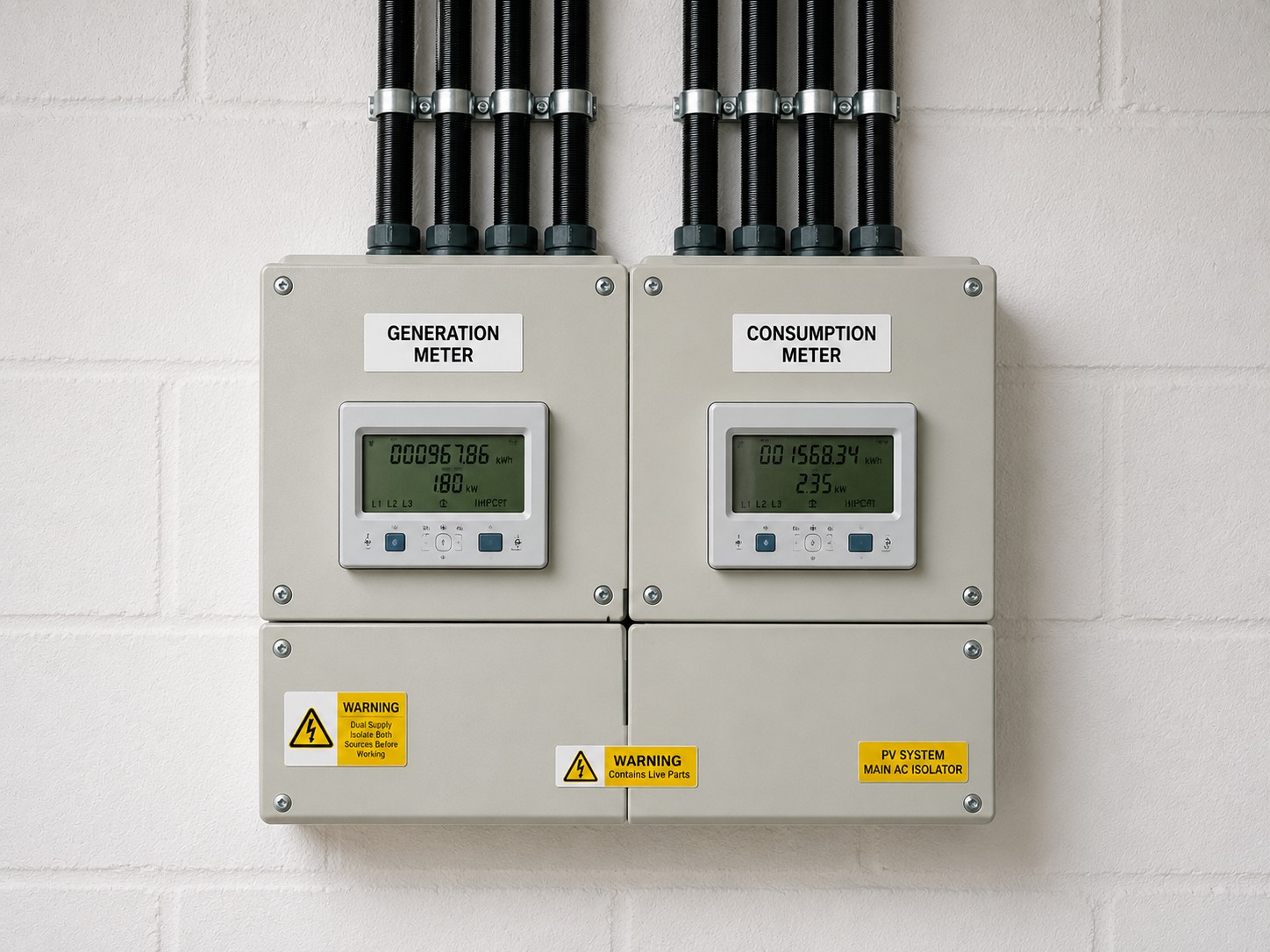
Metering and monitoring
Generation and consumption metered separately, so the saving on the proposal can be checked against the saving you actually get.
Where it works best
Four building types where the numbers usually stack up quickly.
- Schools
- Daytime consumption that lines up almost exactly with generation, and large, simple, unshaded roofs. Roof work goes in the holidays.
- Offices
- Weekday load through the middle of the day, and a straightforward case to put to a board once the numbers are laid out properly.
- Warehouses and light industrial
- The largest roofs we work on, usually with the fewest obstructions and the simplest mounting.
- Landlords and managed sites
- The metering arrangement decides whether the generation is worth more to you or to your tenants. We establish that first.
How much roof, how much array?
Facilities managers think in square metres, not panels. This converts one to the other closely enough to know whether it is worth a conversation.
Roughly how much roof do you have?
What sort of roof?
Flat roofs need spacing between rows so they do not shade each other, which is why the same area gives less on a flat roof than a pitched one. Your figure comes from the structural and shading survey.
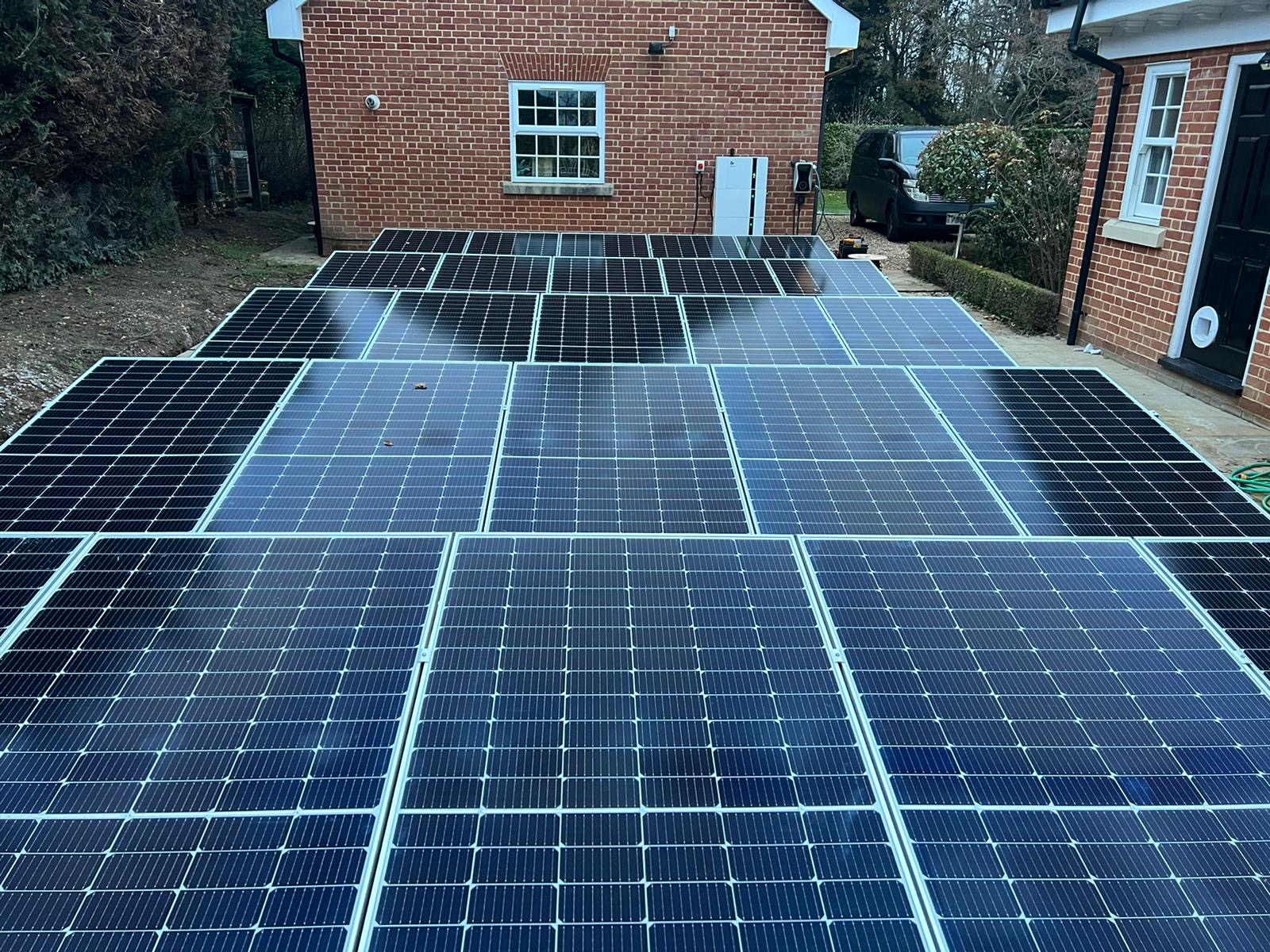
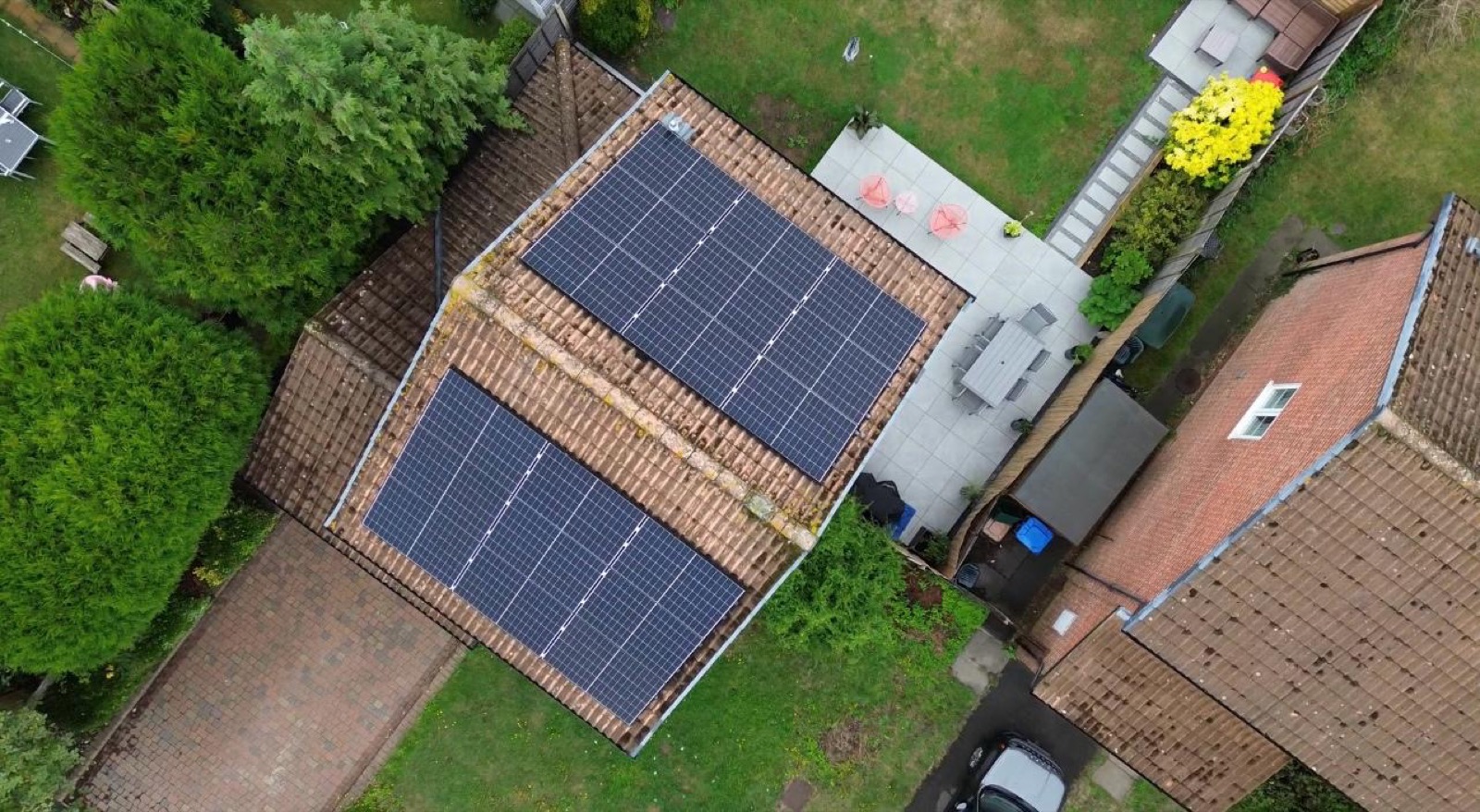
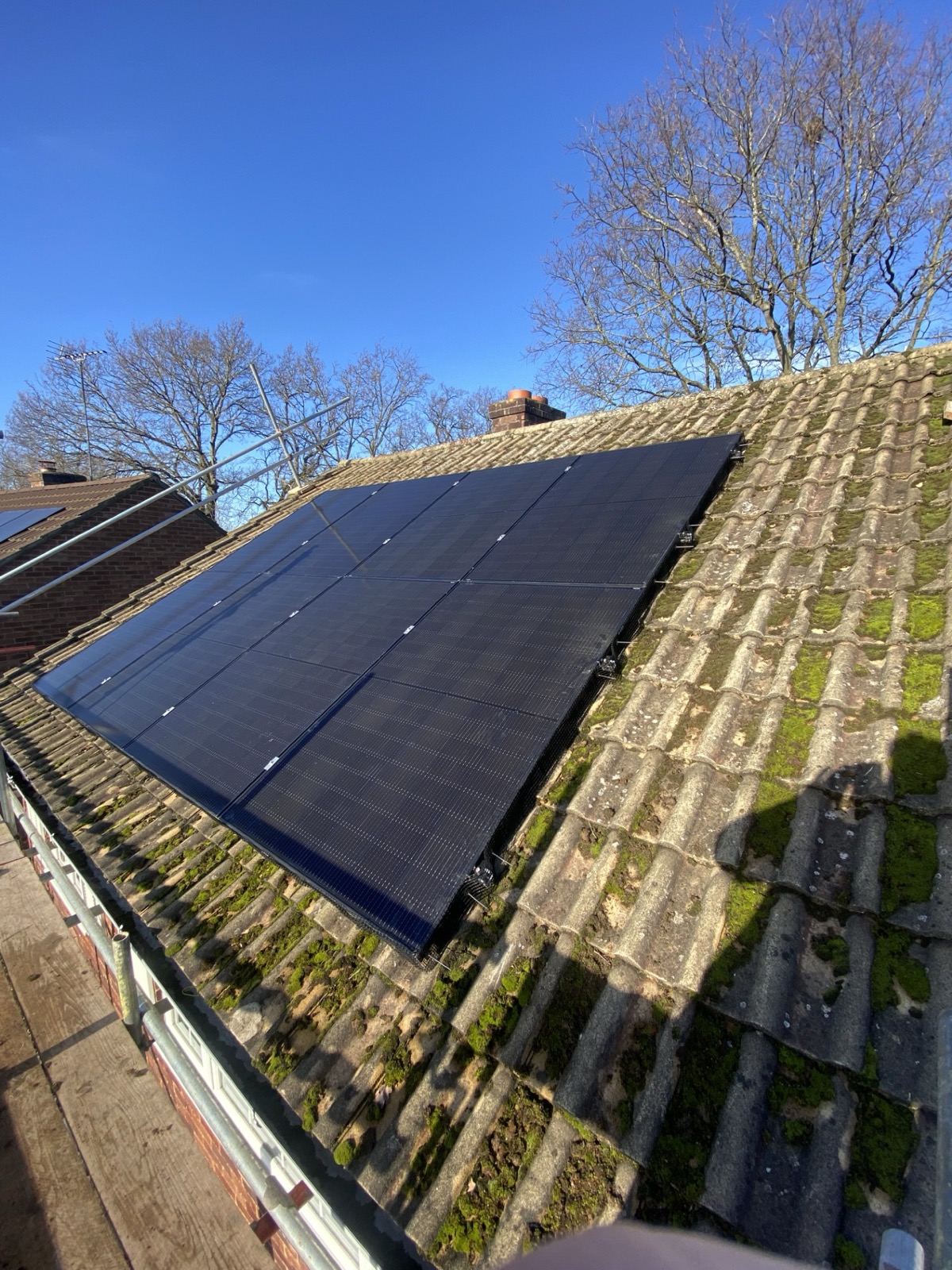
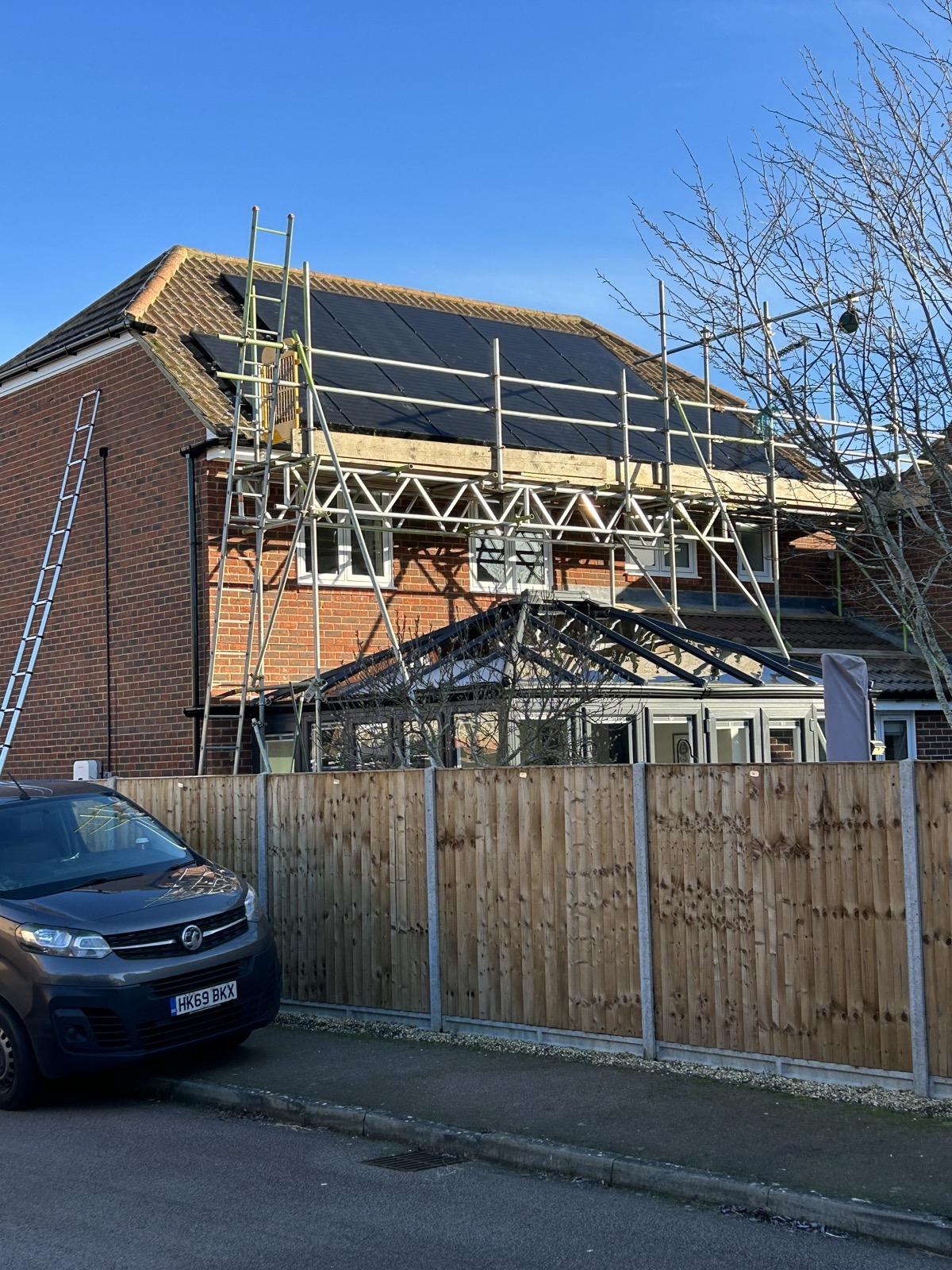
Arrays we have installed
Flat roofs, pitched roofs and ground mounts.
How a commercial job runs
Longer than a domestic install, and the early stages carry more weight.
Half-hourly data
Twelve months of consumption data, your current unit rate and standing charge, and a roof plan or recent survey.
Modelling
We model the building and show generation, saving and payback in a form you can put in front of a board.
Survey and approvals
Structural check, network operator application, and any planning that applies to the building.
Installation
Scheduled around your operating hours. For schools, normally in the holidays. Agreed in writing before we start.
Monitoring and maintenance
Priced separately so you can see what it costs, rather than folded into the headline figure.
And then we are still here
A commercial array is a twenty-five year asset on your balance sheet.
The full handover pack
Electrical certification, commissioning records, network operator notification, as-built drawings and the manufacturer documentation.
Two years, in writing
Two years in writing, insurance-backed, alongside the manufacturer warranties on the panels and inverters.
Monitoring per string
You see output at string level, so underperformance shows up as a location rather than as a number that is slightly lower than last year.
A named contact
One number, and the people who designed the system are the people who answer it.
Two things people ask about next
Both have a page of their own.
The questions we get asked most
Do you work with schools?
Yes. Schools are a good fit: daytime consumption that matches generation, and large, simple roofs. Roof work is scheduled in the holidays.
What do you need from us to quote?
Twelve months of half-hourly consumption data, your current unit rate and standing charge, a roof plan or recent survey, and your objective — lowest cost, lowest carbon, or a net zero commitment with a date on it.
Can you include battery storage?
Yes, and on a commercial site it often matters more than the array, because it moves generation into your evening peak and can reduce capacity charges.
How disruptive is the installation?
Roof work is scheduled around your operating hours, and for schools we normally work in the holidays. The programme is agreed before we start.
Who handles the network operator application?
We do. Commercial connections take longer than domestic ones, which is why the application goes in early rather than at the end.
What about maintenance?
We offer a maintenance and monitoring agreement, priced separately so you can see exactly what it costs.

























Often worth doing at the same time
Same team, same survey, one visit where it makes sense.
Book a free survey for commercial solar
Tell us about the property and we will come and look at it. No charge, and the figures come in writing afterwards.
- A proper survey, and the figures in writing
- Any grant you qualify for, applied for by us
- No charge, whether or not you go ahead
- Weekdays 8am to 5pm, on 01932 550828
Send us twelve months of consumption data.
That is all it takes to model the building properly and show you generation, saving and return. There is no charge for the assessment.